How-to
Barrier Repair Routine for Sensitive Skin
A barrier repair routine for sensitive skin should reduce friction first, then support moisture with gentle cleansing, a tolerable moisturizer, and careful product reintroduction.
Quick Answer
Simplify cleansing, use lukewarm water and gentle handling, moisturize if tolerated, use sunscreen during the day, and pause new actives while you identify what is irritating your skin.
When sensitive skin starts to sting, feel tight, or react to products that used to be comfortable, adding more products usually makes the problem harder to understand.
A barrier repair routine works best when it lowers friction first: fewer variables, gentler handling, and enough time to see what helps.
Key Takeaways
- Simplify the routine before adding corrective products, scrubs, or heavily fragranced formulas.
- Use lukewarm water, brief fingertip cleansing, and a moisturizer that feels comfortable enough to use consistently.
- Reintroduce one product at a time at a lower frequency so you can identify triggers.
- Persistent burning, swelling, hives, painful redness, or worsening symptoms need professional attention.
Choose This Approach If...
- Your skin feels reactive or uncomfortable
- You are unsure which product caused a problem
- You want a routine that is easier to evaluate
The short answer: simplify before you rebuild
The goal is not to create a special treatment routine. It is to protect the outer layer of skin while you remove avoidable sources of irritation. Start with gentle cleansing or a water rinse, use a bland moisturizer if your skin tolerates it, and apply sunscreen during the day. Pause new actives, scrubs, and heavily fragranced products while you evaluate the basics.
Step 1: Reduce the routine to essential jobs
Each product should have a clear reason to be there. Cleansing removes buildup, moisturizer supports comfort, and sunscreen protects exposed skin. A serum, toner, mask, or exfoliant is optional; it does not belong in the routine simply because it is popular.
Step 2: Cleanse without adding friction
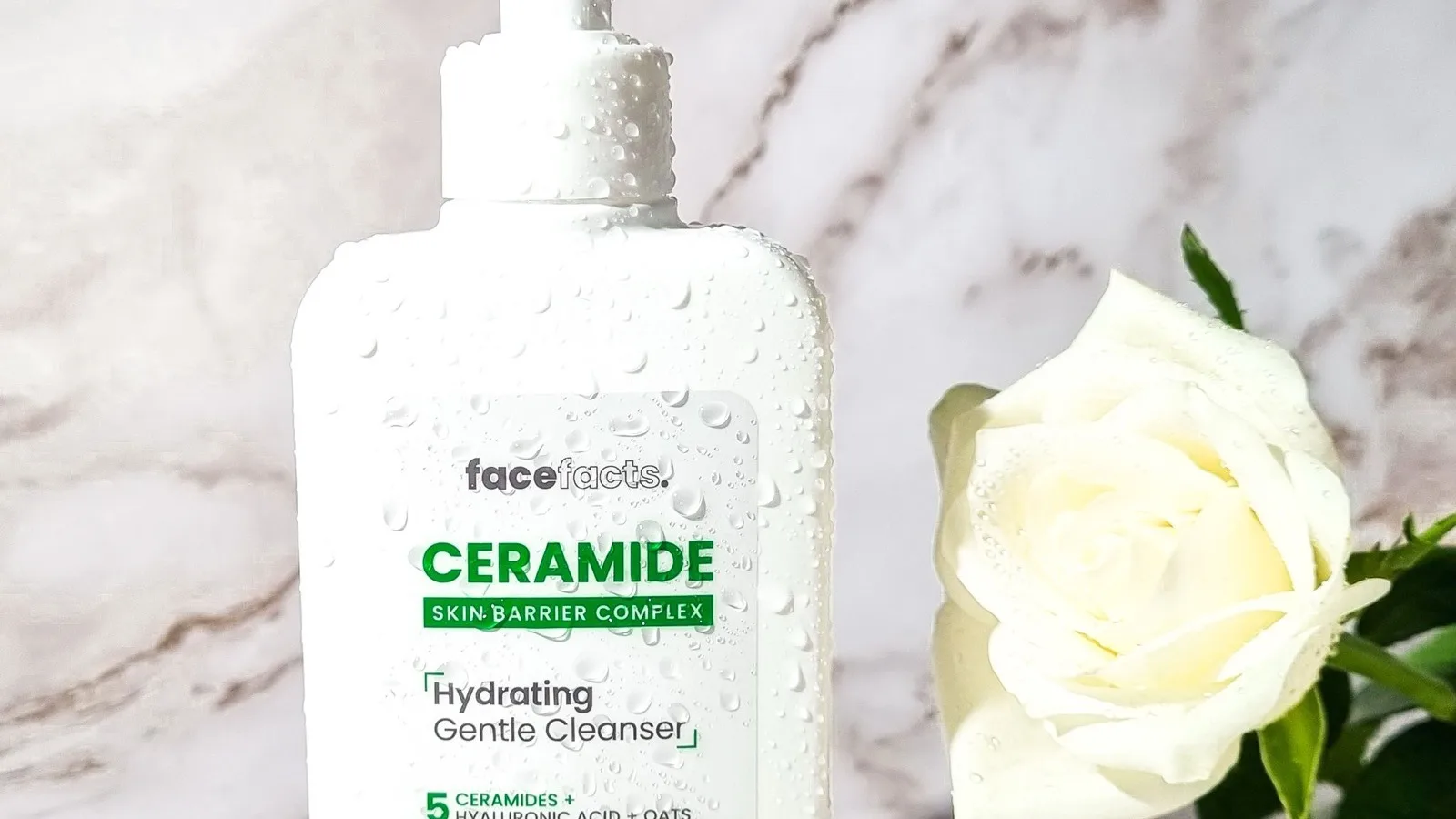
Use lukewarm water and a gentle cleanser when you need to remove sunscreen, makeup, or buildup. Keep contact brief and use your fingertips rather than scrubbing tools or rough cloths. If your skin feels tight immediately afterward, try less cleanser, a shorter wash, or a morning rinse instead.
Step 3: Rebuild moisture support
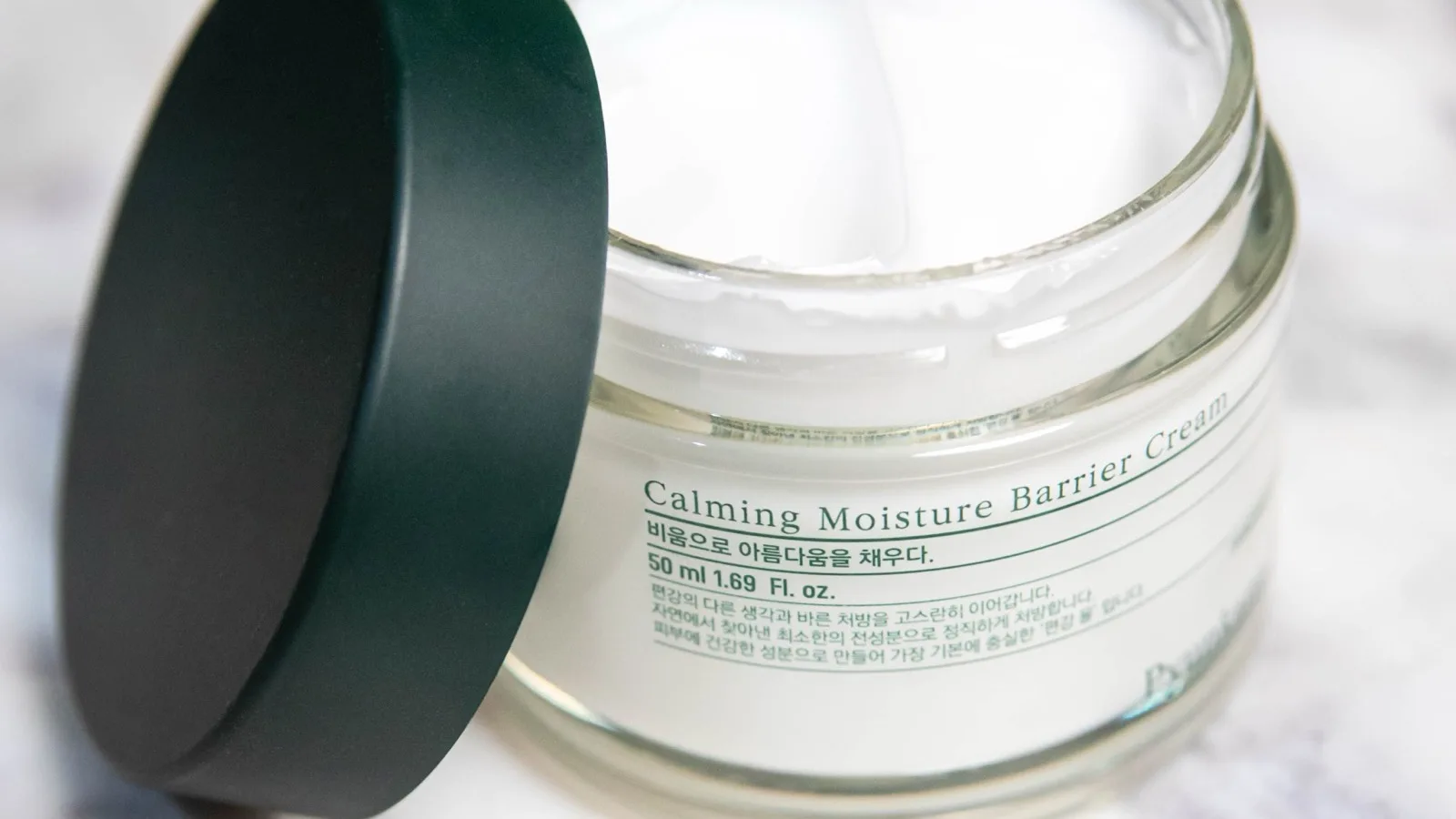
Apply a simple moisturizer while skin is still slightly damp if that feels comfortable. Look for a texture you can use consistently rather than chasing the richest formula available. A cream may suit very dry skin, while a lighter lotion can be easier to tolerate when heat, sweat, or congestion is part of the problem.
Step 4: Reintroduce products carefully
Once the basic routine feels comfortable, add back only one product at a time. Use it at a lower frequency than before and give yourself enough time to notice a pattern. If irritation returns, stop the newest addition first instead of changing the whole routine again.
Common mistakes that slow barrier repair
The most common mistake is responding to irritation with a long list of corrective products. Other problems include hot water, frequent washing, picking at flakes, layering several actives, and changing products every few days. “Gentle” on a label is not a guarantee that every formula will suit every person, so your own response still matters.
How to adjust the routine
If your skin is dry and tight, prioritize comfort and a richer moisturizer. If it is oily but reactive, keep the routine light without stripping it. If the problem began after a new product, return to the last comfortable routine and reintroduce changes one at a time. Persistent burning, swelling, hives, painful redness, or worsening symptoms are reasons to seek professional advice.
Where to go next
For the broader routine-building framework, read the Sensitive Skin Guide: How to Build a Low-Irritation Routine. You can also review How to Patch Test Skincare Products before adding a new formula.