Explainer
Skincare Product Categories Explained
Skincare product categories make more sense when you treat them as tools with distinct jobs rather than as steps every routine must include.

Quick Answer
Skincare categories are not a checklist. Cleansers, moisturizers, targeted treatments, and exfoliants have different jobs; choose the category that solves a problem your routine actually has.
Skincare gets confusing fast when every bottle comes with a new category name and every category sounds important.
This explainer helps readers understand what the main product categories actually do so they can stop collecting extra steps and start choosing products with a clear purpose.
Key Takeaways
- Skincare product categories are optional tools for different jobs, not steps that every routine must include.
- Cleansers remove buildup, moisturizers help reduce moisture loss, and serums usually target a specific concern.
- Toners, exfoliants, facial oils, and other categories can be useful, but whether you need them depends on your routine and goal.
- The right question is what problem a product category solves, not whether a popular routine includes it.
- A simpler routine with products that have clear purposes is often easier to maintain, evaluate, and adjust.
Choose This Approach If...
- You feel like a good routine is supposed to include every product category you see online
- You want to understand the role of cleansers, serums, toners, exfoliants, and oils before buying
- You are trying to simplify your routine rather than expand it
Every Product Doesn’t Deserve a Place in Your Routine
There’s an assumption that catches almost everyone eventually. If there are ten product categories, surely a “good” routine must include most of them.
It doesn’t.
Product categories aren’t steps you’re expected to complete. They’re tools that solve different problems.
Think about a toolbox. A screwdriver isn’t better than a hammer. A hammer isn’t better than a wrench. Each one exists because it solves a different job. Skincare works in much the same way. Once you understand the job each category performs, the pressure to buy everything starts to disappear.
Stop Asking What the Product Is

A better question is:
What problem is this product trying to solve?
That small shift changes almost every buying decision.
If your current routine keeps your skin comfortable, hydrated and protected, adding another category may not improve anything. On the other hand, if you’re trying to address a specific concern, understanding which category usually performs that job can save both money and frustration.
Products make much more sense once you stop looking at their names and start looking at their purpose.
The American Academy of Dermatology’s skin-care basics provide a useful baseline: cleanse as needed, moisturize, and protect skin from the sun. The other categories are options that should earn their place by solving a specific problem.
Cleansers
People often judge cleansers by how “clean” their face feels afterwards. Ironically, that can be misleading.
If your skin feels tight or stripped after washing, your cleanser may be doing more than simply removing dirt and oil. A good cleanser has a fairly simple job. It removes sunscreen, makeup, excess oil and daily buildup while leaving your skin comfortable enough for the next step in your routine.
Moisturizers
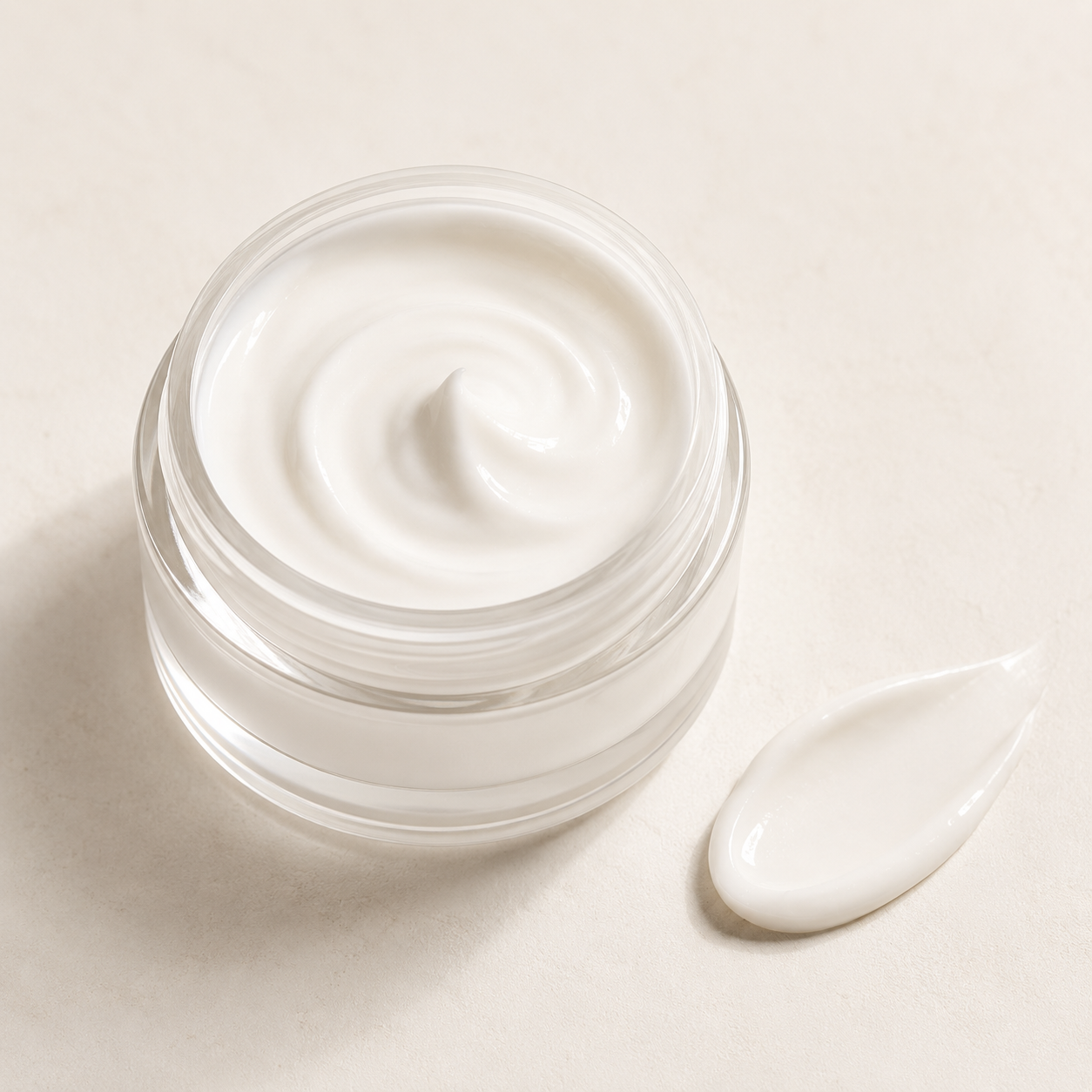
Recommended product
CeraVe Moisturizing Cream
A cream-format moisturizer to consider when your routine needs richer hydration and barrier-focused support.
View on AmazonPreview link only — the Amazon Associates tag will be added after account setup.
Many people think moisturizers exist to put moisture into the skin.
Their bigger job is helping your skin keep the moisture it already has. That’s why moisturizers aren’t just for dry skin. Even people with oily skin often benefit from using one. The difference is usually the texture they choose rather than whether they need the category at all.
Serums
Serums have become one of the most popular skincare categories because they’re usually associated with solving specific concerns.
Dark spots.
Fine lines.
Hydration.
Uneven texture.
That doesn’t mean everyone needs a serum. It simply means this category tends to be more targeted than products designed to support your skin overall. If your routine already does everything you need, a serum isn’t automatically the next purchase.
Toners
Few skincare products create as much confusion as toner.
Some routines treat toner as essential. Others never mention it. The truth sits somewhere in the middle. A toner is simply another product category. Depending on the formula, it may add hydration, gently exfoliate or prepare your skin for the products that follow.
Whether you need one depends on your routine—not on whether someone else’s routine includes it.
For some people, a toner is a hydrating layer. For others, it is an exfoliating step that needs more caution. The category name alone does not tell you which role a particular formula performs, so read the label and compare it with what your current routine already does.
Exfoliants
People often hear the word “exfoliation” and immediately picture scrubbing their face. That’s only one approach.
Exfoliation simply means helping remove dead skin cells from the surface of the skin. Some products do that with small particles, while others rely on ingredients that work more gradually. The goal isn’t finding the strongest exfoliant you can buy. It’s finding an approach that suits your skin and using it appropriately.
Facial Oils
Facial oils are another category that’s easy to misunderstand.
People with dry skin sometimes assume oils replace moisturizer. People with oily skin often assume they should avoid oils altogether. Neither assumption is automatically true.
Facial oils have their own role within skincare. Whether they belong in your routine depends on what you’re trying to achieve, not on your skin type alone.
An oil can change how a routine feels and may be useful for reducing the sense of dryness for some people, but it does not automatically replace a moisturizer or solve every barrier concern. Start with the smallest amount that serves a clear purpose and stop if it causes discomfort.
Most People Eventually Start Buying Less
There’s an interesting pattern that shows up once people spend enough time learning about skincare. At first, every product category feels important. Then every ingredient sounds exciting. Eventually, something changes.
People stop asking what they’re missing and start asking whether a product actually has a job to do. That’s when routines often become simpler. For many people, a routine built around a cleanser, a moisturizer, sunscreen and one targeted product is more than enough.
Everything else should earn its place.
| Category | Typical job | Usually essential? |
|---|---|---|
| Cleanser | Remove buildup, sunscreen, makeup, or excess oil | Often useful, depending on what needs removing |
| Moisturizer | Support comfort and reduce moisture loss | Commonly useful |
| Sunscreen | Provide daytime sun protection | Useful for daytime exposure |
| Serum | Target a specific concern | Optional |
| Toner or essence | Add hydration or another defined function | Optional |
| Exfoliant | Address some texture concerns | Concern- and tolerance-dependent |
| Facial oil | Add a specific texture or occlusive step | Optional |
The table describes product roles, not a prescription. A product is not necessary merely because it appears in a popular routine.
A Better Way to Shop
The next time you’re comparing skincare products, ignore the marketing for a moment. Start by identifying the category.
Then ask yourself:
- What job does this category perform?
- Does my current routine already include something that performs that job?
- Am I trying to solve a problem this category is actually designed to address?

Those three questions usually lead to better decisions than comparing packaging or popularity.
Before using a new product, introduce one change at a time and follow the label directions. The American Academy of Dermatology recommends testing skin-care products on a small area before wider use. If a product causes a significant reaction, stop using it rather than adding a second product to offset the first.
Where to Go Next
Now that you understand what the main skincare product categories do, the next step is deciding which ones actually belong in your routine. You may also find these guides helpful:
- Skincare Guide: How to Build a Routine That Actually Fits Your Skin if you’re building your first routine.
- Best Skincare Products by Skin Type and Concern if you’re comparing products for a specific goal.
- Exfoliation Guide: Physical vs Chemical Exfoliants if you’d like to understand the different ways exfoliating products work.
- Best Chemical Exfoliants if you’ve decided an exfoliating product belongs in your routine.
Final Thoughts
Most people don’t need more product categories. They need a better reason for buying them.
Once you understand that every category exists to do a specific job, shopping becomes much less overwhelming. You stop collecting products because they sound useful and start choosing them because they solve a problem your routine actually has.