Guide
Best Moisturizers for Sensitive Skin
The best moisturizer for sensitive skin supports comfort, fits the routine, and introduces as few unnecessary variables as possible.

Quick Answer
Choose a simple moisturizer with a comfortable after-feel and a texture that fits your routine. Consider fragrance-free formulas when fragrance is a known trigger, and introduce one product at a time.
When your skin reacts easily, choosing a moisturizer can feel less like shopping and more like risk management.
The best moisturizer for sensitive skin is not the most ambitious formula. It is the one that supports comfort, fits your routine, and introduces as few unnecessary variables as possible.
Key Takeaways
- Start with a simple moisturizer that feels comfortable during and after application.
- Match lotion, cream, gel-cream, or balm to your actual skin need and texture tolerance.
- Fragrance-free may be a useful starting point when fragrance is a known trigger.
- Introduce one moisturizer at a time while keeping the rest of the routine stable.
- Swelling, hives, severe itching, or painful burning needs professional attention.
Choose This Approach If...
- Your skin reacts to otherwise ordinary moisturizers
- You are comparing texture and ingredient claims
- You want to reduce routine complexity before adding another product
The short answer: reduce friction first
Start with a simple moisturizer that feels comfortable when applied and remains comfortable afterward. Fragrance-free formulas are often worth considering if fragrance is a known trigger, but no label guarantees that a product will suit every person.
Choose by skin need and texture tolerance. A lotion may be enough for daytime. A cream may help when sensitive skin is also dry or tight. A balm may be useful on a small rough area without being comfortable across the whole face.
What sensitive skin usually needs from a moisturizer
Sensitive skin does not automatically need a long ingredient list. It often benefits from a predictable formula that supports the surface without adding unnecessary stimulation.
Look for a product that can provide some combination of:
- Hydration, often from water-binding ingredients such as glycerin.
- Softening, from emollient ingredients that make roughness feel smoother.
- Protection, from ingredients that help reduce moisture loss.
The right balance depends on whether your skin is primarily reactive, dry, tight, or a combination. The formula should also fit the rest of your routine. A moisturizer that pills under sunscreen or feels too heavy to use is not a practical success.
Choose the texture that matches your situation
Lotion for lighter daily use
A lotion may be a useful starting point if you want a light layer under sunscreen or makeup. It can also work well when your skin is sensitive but not persistently dry. If your skin feels tight soon afterward, consider a cream rather than adding multiple serums underneath.

Cream for dryness and tightness
A cream may provide more softening and protective support. This can be useful when your skin feels rough after cleansing or when weather and indoor heating make discomfort worse.
Gel-cream when heavy textures bother you
Some people with sensitive skin avoid moisturizer because rich formulas feel warm or sticky. A gel-cream may be a reasonable compromise if it leaves your skin comfortable. Consistency matters more than choosing the richest possible texture.
Balm for a small area
A balm can help protect lips, the sides of the nose, or another rough patch. It does not need to become a full-face step if that feels uncomfortable.
How to compare sensitive-skin moisturizers
Ask these questions before buying:
- Do I recognize the likely triggers? If fragrance, essential oils, or a particular ingredient has caused problems before, check the label carefully.
- What is the product trying to solve? Choose hydration, softness, or protection based on what you actually notice.
- Will it work with my sunscreen or makeup? Routine fit affects whether you will use it consistently.
- Can I test it without changing everything else? A new moisturizer is easier to evaluate when the rest of the routine stays stable.
Marketing terms can help you find candidates, but “natural,” “clean,” and “dermatologist tested” are not enough to predict your personal response.
Ingredients and claims to approach thoughtfully
Glycerin, ceramides, and other barrier-supporting ingredients may be useful in a moisturizer for sensitive or dry-feeling skin. The complete formula matters more than one highlighted ingredient.
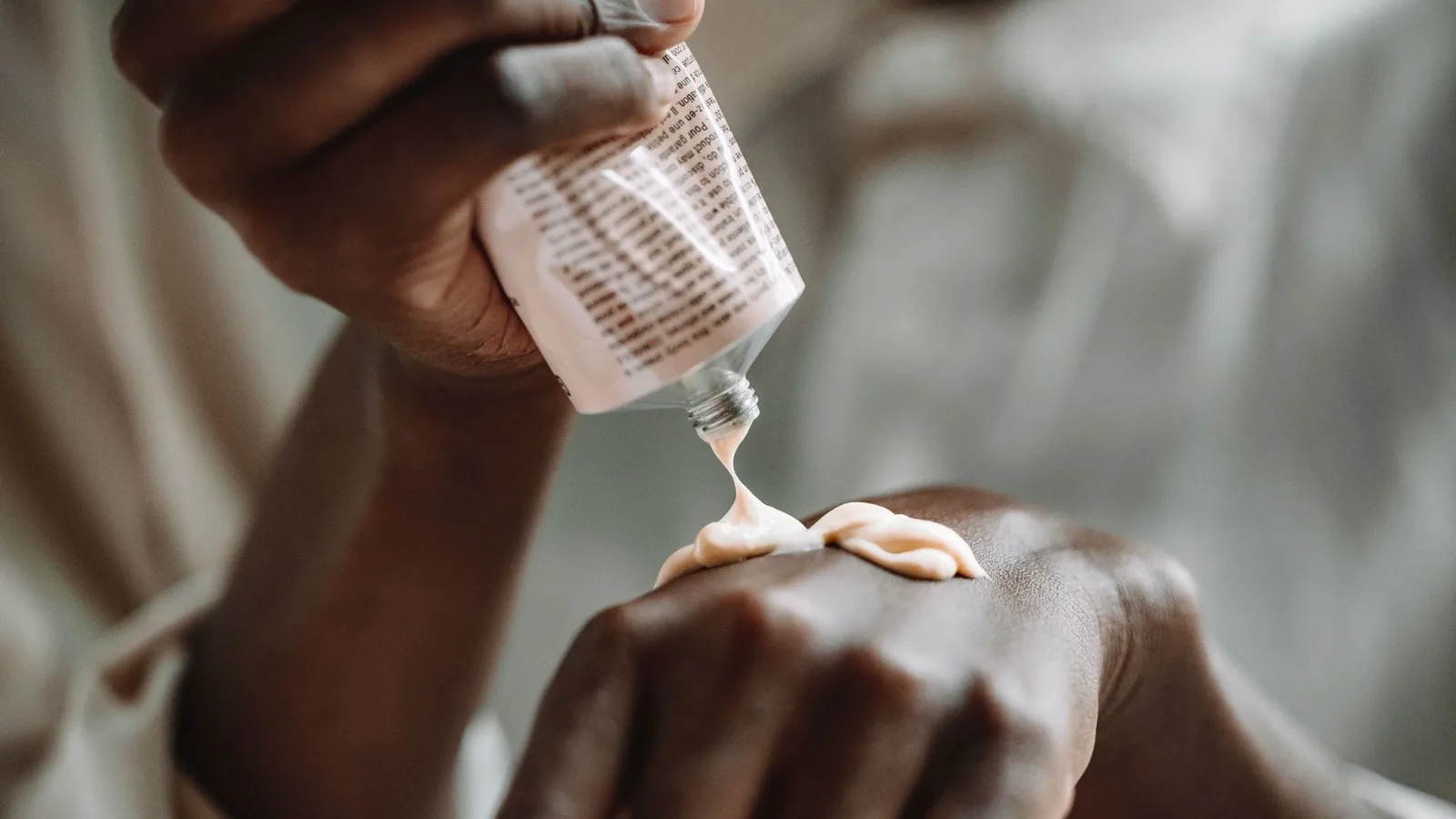
Fragrance-free may be a sensible starting point when fragrance is a known source of irritation. Essential oils and botanical extracts can also be irritating for some people, even when they are presented as gentle or natural.
The American Academy of Dermatology recommends applying moisturizer after washing while the skin is still damp. Review the AAD’s guidance on choosing a moisturizer.
Common mistakes
Choosing the most minimal-looking label automatically
Fewer ingredients can make a product easier to evaluate, but “minimal” does not automatically mean safe for you. Your own history and response still matter.
Adding several calming products at once
Layering multiple new products makes it difficult to tell whether your skin is improving. Start with one moisturizer and observe before adding another product.
Assuming tingling means the product is working
Stinging, heat, and tightness are not reliable signs of effectiveness. Sensitive skin generally benefits from reducing unnecessary discomfort.
Testing only on a very small visible spot
A product can behave differently on different areas. Follow a cautious testing approach and stop if you develop a reaction.
A simple way to introduce a moisturizer
Keep the rest of your routine stable. Apply the moisturizer as directed, preferably after gentle cleansing, and observe how your skin feels during and after use. Avoid introducing a new cleanser, serum, exfoliant, and moisturizer in the same week.
If you develop swelling, hives, severe itching, painful burning, or rapidly worsening redness, stop using the product and seek appropriate professional advice. Product selection should not replace medical evaluation.
Where to go next
For the broader low-irritation approach, read the Sensitive Skin Guide: How to Build a Low-Irritation Routine. For a wider view of product roles, see Skincare Product Categories Explained.
The best moisturizer for sensitive skin is the one that supports comfort without adding unnecessary complexity. Start simply, test thoughtfully, and let your skin’s response guide the next decision.