Guide
Dry Skin Guide: Causes, Routine, and Product Choices
Dry-skin care works best when it reduces avoidable irritation, supports lasting comfort with the right moisturizer texture, and changes one routine variable at a time.

Quick Answer
Build a dry-skin routine around gentle cleansing, moisturizer chosen for lasting comfort, and broad-spectrum sunscreen during the day. Avoid hot water, scrubbing, and several new active products at once.
Dry skin can make ordinary parts of the day feel uncomfortable.
The most useful dry-skin routine is the one that reduces avoidable irritation, supports comfort, and gives you a simple way to notice what is helping.
Key Takeaways
- Dryness can be affected by weather, water temperature, cleansing habits, products, sun exposure, and some skin conditions.
- Use gentle cleansing and choose moisturizer by how long it keeps skin comfortable, not only how rich it feels at first.
- Humectants, emollients, and occlusives perform different moisturizing roles and are useful label categories.
- Avoid hot water, scrubbing, and introducing several active products while troubleshooting; change one variable at a time.
- Persistent, painful, unusually itchy, cracked, bleeding, or worsening symptoms may need professional attention.
Start Here If Your Skin Feels Dry
- Lower the water temperature and shorten washing time
- Pause recently added active products
- Use gentle cleansing and focus on lasting moisturizer comfort
The short answer
Dry skin usually benefits from a gentle routine built around three ideas:
- cleanse without leaving the skin tight;
- moisturize in a way that supports lasting comfort; and
- protect exposed skin from the sun and from avoidable environmental stress.
Change one variable at a time. If dryness is persistent, painful, unusually itchy, or worsening, product experimentation should not replace professional advice.
What dry skin means
Dry skin generally refers to skin that does not retain enough moisture or surface oils to feel comfortable. It may feel rough, tight, flaky, or more sensitive to products and weather.
Dryness is not the same as dehydration. Dry skin is often discussed as a skin type or recurring tendency. Dehydration is a temporary state that can affect different skin types. The two can overlap, but the useful first step is the same: pay attention to comfort and avoid adding more irritation.
Common causes of dry skin
Dryness can have more than one cause. Cold or dry air, hot water, long showers, harsh soaps, frequent washing, and sun exposure can all contribute. Some medicines and skin conditions can also cause or worsen dryness.
The Mayo Clinic’s overview of dry-skin symptoms and causes notes that weather, bathing habits, soaps, sun damage, medical conditions, and treatments can all play a role.
You do not need to identify one perfect cause before making a helpful change. Start with the habits that are easiest to observe: water temperature, cleansing frequency, product sting, and how long comfort lasts after moisturizing.
Build a gentler cleansing step
Cleanse when you need to remove sunscreen, makeup, sweat, oil, or buildup. Use lukewarm rather than hot water, keep the process brief, and avoid scrubbing dry areas to make them feel smoother.
If your face feels tight immediately after washing, that is useful information. Try using less cleanser, cleansing less often, or switching to a gentler formula. A cleanser does not need to leave the skin squeaky to be effective.
Choose moisturizer by lasting comfort
A moisturizer can make skin feel better immediately, but the more useful test is what happens later. If the tight feeling returns quickly, consider whether the texture is too light, whether you are applying enough, or whether another part of the routine is causing irritation.

Creams and ointments are often more supportive for very dry areas than lightweight lotions, although personal comfort and climate matter. Apply moisturizer while the skin is slightly damp if that helps you spread it evenly and reduces the need to rub.
Ingredients such as humectants, emollients, and occlusives perform different roles. Humectants help attract water, emollients help smooth roughness, and occlusives help reduce water loss. You do not need to memorize every ingredient, but understanding these broad roles can make product labels less confusing.
What to avoid while troubleshooting
Dryness often gets worse when people respond by adding several new products at once. Avoid hot water, prolonged washing, aggressive scrubbing, picking flakes, and introducing multiple active products during the same week.
Fragrance and high levels of drying alcohol can bother some people, but an ingredient list alone cannot predict how every product will feel on every person. The American Academy of Dermatology recommends testing skin-care products on a small area before broader use.
A simple routine for dry skin
Morning
Rinse or cleanse gently if needed. Apply moisturizer if your skin benefits from it, then finish with broad-spectrum sunscreen for daytime exposure.
Evening
Remove makeup or sunscreen, cleanse gently, apply moisturizer, and use a targeted product only if it has a clear purpose and your skin tolerates it.
When skin is especially uncomfortable
Reduce the routine to the basics. Stop newly introduced actives, avoid scrubbing, and focus on gentle cleansing and comfort. Reintroduce changes one at a time after the skin feels settled.
How to tell whether a change is helping
Track three things for a week or two: how your skin feels immediately after cleansing, how long moisturizer keeps it comfortable, and whether new products cause stinging or redness.
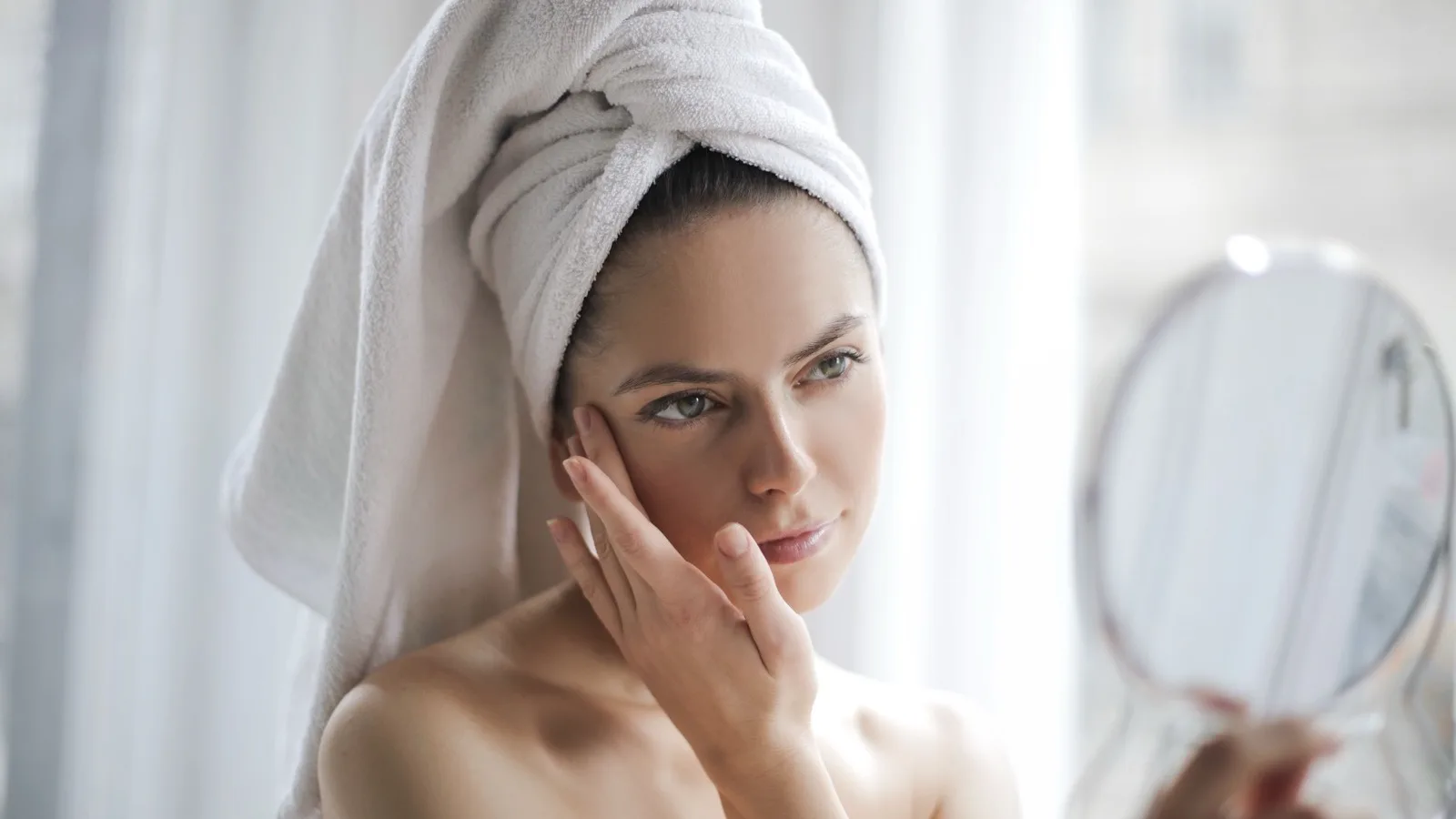
This is more useful than judging a product by how luxurious it feels on application. A product can feel rich for ten minutes and still fail to keep the skin comfortable later. Conversely, a simple formula may be a better fit because it creates fewer problems.
| What you notice | What to review first |
|---|---|
| Tightness immediately after washing | Water temperature, cleanser amount, cleansing frequency |
| Roughness returns quickly | Moisturizer texture and application |
| Stinging after new products | Recently added ingredients and active steps |
| Flaking after scrubbing | Stop physical exfoliation and reduce friction |
| Persistent pain or worsening symptoms | Seek professional guidance |
When to seek professional advice
Dry skin can be ordinary and manageable, but persistent or severe symptoms deserve more attention. Seek professional advice if the skin is painful, cracked, bleeding, unusually itchy, spreading, or not improving with gentle care. Dryness can occur alongside conditions such as eczema or psoriasis, and a clinician can help distinguish those possibilities from routine-related irritation.
Where to go next
If you want to compare dryness with dehydration, read Dry Skin vs Dehydrated Skin. For a more specific morning plan, see Morning Skincare Routine for Dry Skin. If you are deciding which product categories have a real job, read Which Skincare Products Do You Actually Need?.
Final thoughts
Dry-skin care is usually less about finding one perfect product and more about reducing the things that keep making the skin uncomfortable. Use gentler cleansing, choose moisturizer by lasting comfort, protect the skin during the day, and change one variable at a time.
If the pattern is painful, persistent, or worsening, the next useful step may be professional advice rather than another product.