Guide
Skincare Routines and Segments: How to Choose a Path That Fits You
Skincare routines are different paths built from cleansing, moisturizing, daytime protection, and targeted products when needed; the best path fits your skin and priorities.

Quick Answer
Choose a routine path by starting with your skin and priorities, not labels like minimalist, Korean, or vegan. Build from basic jobs, add targeted products only when needed, and choose a path realistic to maintain.
Skincare starts to feel crowded once every routine style begins to sound like its own separate system with its own rules.
This guide helps readers see those routines as different paths through the same basics so they can choose a direction that fits their skin, goals, and personal priorities.
Key Takeaways
- There is no single best skincare routine; different routine styles solve different problems and fit different priorities.
- Most routines share the same basic building blocks: cleansing, moisturizing, daytime protection, and targeted products when needed.
- Choose a routine path by starting with your skin and biggest concern, then consider preferences such as simplicity, layering, or product values.
- More steps do not automatically produce better results; every additional product should have a clear purpose.
- You can change routine paths as your skin, lifestyle, weather, or priorities change, without rebuilding everything at once.
Choose This Approach If...
- You feel torn between routine styles like minimalist, Korean, vegan, or sensitive-skin focused skincare
- You want a simpler way to decide which path actually fits your skin and habits
- You are trying to build a routine that feels realistic rather than impressive
Most Routines Are Solving Different Problems
It’s easy to look at someone else’s routine and wonder if yours is missing something. Most of the time you’re not. A person with dry, sensitive skin has different priorities from someone trying to reduce excess oil. Someone interested in Korean skincare isn’t necessarily trying to solve a different skin concern—they may simply prefer a different philosophy for building a routine.
Once you realize that, skincare starts making a lot more sense. Most routines aren’t arguing with each other. They’re solving different problems.
Think of Routines as Different Paths
Imagine arriving in a new city. There are several routes to your destination. One might be faster. Another might be more scenic. A third might avoid traffic. None of them are automatically wrong. Skincare works in a similar way.
Different routines emphasize different ideas, but they often rely on the same building blocks:
- cleansing
- moisturizing
- protecting your skin during the day
- adding targeted products when you have a specific concern
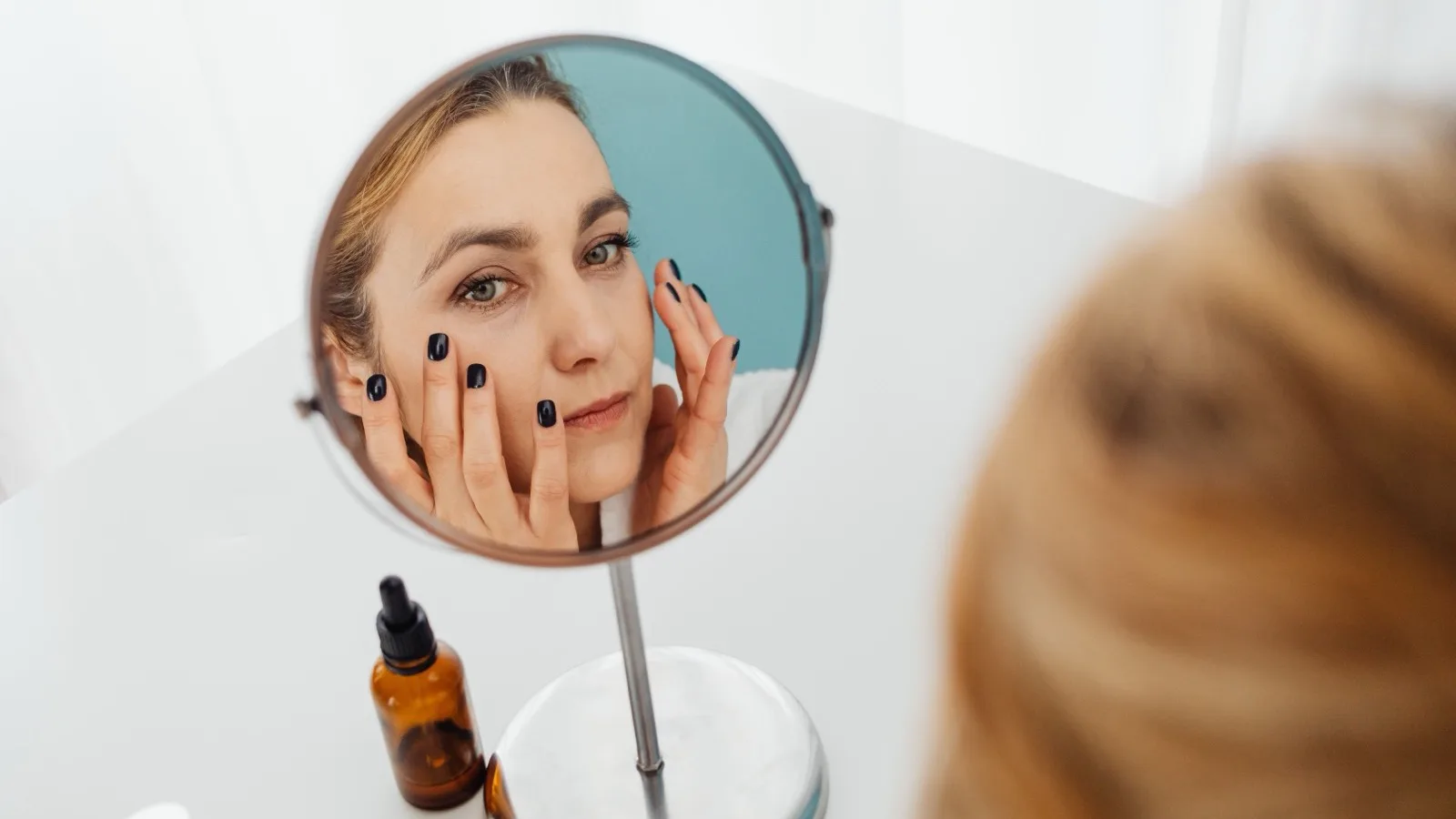
The American Academy of Dermatology’s skin-care basics are a useful anchor here. A routine segment can change the products and priorities, but it should still serve the reader’s actual skin, tolerance, and daily circumstances.
Some People Want Simplicity
This is often where beginners start. The goal isn’t finding every product category. It’s building a routine you’ll actually follow.
That might mean:
- a gentle cleanser
- a moisturizer
- sunscreen during the day
Once those habits become effortless, you can decide whether there’s a genuine reason to add another product.
Some People Enjoy Layering Products
Not everyone wants the simplest possible routine. Some people enjoy exploring different product categories and tailoring their routine more closely to their skin’s needs. That’s where routines like Korean skincare often attract attention.
The important thing to remember is that more steps don’t automatically mean better results. Every additional product should have a clear purpose. If you can’t explain why it’s there, it probably doesn’t need to be there yet.
Layering is a preference, not a performance test. If a longer routine makes you more consistent and each product is tolerated, it may suit you. If it makes you skip the routine or causes irritation, a shorter path is the better fit.
Some Routines Focus on Values
Sometimes the biggest decision isn’t about ingredients. It’s about personal priorities. Someone might prefer products that are vegan. Someone else may avoid fragrance. Another person may focus on products designed for sensitive skin. Those choices don’t replace the basics of skincare. They simply influence which products you choose within those basics.
Values can guide shopping, but a marketing description does not automatically tell you whether a product is effective, tolerable, or necessary for your goal.
Let Your Skin Decide the Direction
One mistake people often make is choosing a routine before they’ve understood their skin. They decide they want a Korean routine. Or a minimalist routine. Or an anti-aging routine. Only afterwards do they start thinking about what their skin actually needs.
It’s usually more effective to work in the opposite direction. Start with your skin. Identify your biggest concern. Then choose the style of routine that makes those decisions easier. Your routine should fit your skin—not the other way around.
Use this simple filter before choosing a path:
| Your priority | A reasonable starting path | Watch for |
|---|---|---|
| Fewest steps | Cleanser if needed, moisturizer, daytime sunscreen | Adding products because a routine looks incomplete |
| One specific concern | Essentials plus one targeted product | Combining several new actives at once |
| Enjoying a layered routine | Add categories gradually and keep each job clear | Mistaking more steps for better results |
| Budget or values | Prioritize essentials, then compare labels and cost | Letting a marketing label replace product purpose |
The point is not to assign yourself permanently to one segment. It is to make the next decision easier and more realistic.
You Can Change Paths
This is something many people don’t realize at first. Choosing one approach today doesn’t lock you into it forever. Your skin changes. The weather changes. Your lifestyle changes. Your priorities change.
A routine that worked perfectly a year ago might not be the routine that makes the most sense today. That’s completely normal. Good skincare isn’t about loyalty to one philosophy. It’s about making thoughtful adjustments as your needs change.
A Simple Way to Choose
If you’re not sure which direction to take, ask yourself a few simple questions.
- Am I trying to keep my routine as simple as possible?
- Do I have one specific skin concern I want to improve?
- Am I interested in exploring more product categories, or would I rather own fewer products?
- Are there personal values, such as choosing vegan products, that matter when I shop?

Your answers will naturally point you toward the type of routine that fits you best.
If you are introducing a new product, change one variable at a time. The AAD’s skin-care budget guidance supports prioritizing useful basics before optional spending, and its product order guidance can help when you are deciding how a new step fits into the routine. If a product causes a clear reaction, stop using it and reassess the path rather than adding another product to compensate.
Where to Go Next
Now that you understand the different ways a skincare routine can be built, the next step is deciding which products deserve a place in yours. You may also find these guides helpful:
- Skincare Guide: How to Build a Routine That Actually Fits Your Skin if you’re starting your first routine.
- Best Skincare Products by Skin Type and Concern if you’re comparing products for your specific goals.
- Vegan Skincare Guide: Products, Claims, and What to Check if you’re interested in choosing vegan skincare.
- Best Vegan Skincare Products if you’re ready to compare products within that category.
Final Thoughts
People often spend a lot of time looking for the perfect skincare routine. A better question is whether the routine fits the person using it.
Once you stop thinking of skincare as one correct system and start seeing it as a collection of different paths, choosing products becomes much easier. You stop copying someone else’s routine and start building one that makes sense for your own skin, your own priorities and your own life.