Best of
Best Moisturizers for Aging Skin
Choose a moisturizer for aging skin by the problem you can describe, texture, tolerance, and fit with a routine that also includes sunscreen.

Quick Answer
Choose by skin need and texture first, then compare ingredient groups, fragrance, routine fit, and realistic claims. Moisturizer can soften the look of fine lines, but broad-spectrum SPF 30 or higher and realistic expectations still matter.
Choosing a moisturizer for aging skin can feel harder than it should. Shelves are full of promises about lifting, repairing, plumping, and renewing, but the useful question is simpler: what does your skin need this product to do?
The right choice is usually the one you can use comfortably and consistently.
Key Takeaways
- Choose the texture that matches dryness, combination skin, congestion, and routine timing.
- Humectants, emollients, and occlusives describe different moisturizing roles; no single ingredient guarantees a result.
- Moisturizer can make fine lines look less noticeable, but it does not permanently lift skin.
- Use broad-spectrum SPF 30 or higher and introduce any retinoid or other active slowly.
Choose This Approach If...
- You are comparing too many moisturizer claims
- You need to match texture to dryness or congestion
- You want selection logic before product recommendations
The short answer: choose for the problem you can describe
The best moisturizer is usually the one that supports your main need without creating a new problem. Dry, tight skin may prefer a richer cream. Combination or congestion-prone skin may do better with a lotion or gel-cream. If fine lines are more visible when skin is dehydrated, consistent moisture may improve the look without requiring an aggressive formula.
The American Academy of Dermatology identifies sunscreen and moisturizer as two of the most effective foundations of an anti-aging routine. This is selection logic, not a reason to buy the product with the most dramatic claim.
Start with your skin’s current need
Before comparing brands, identify the situation you are trying to solve:
- Is your skin tight after cleansing?
- Does makeup catch on dry patches?
- Does a rich cream feel heavy or contribute to congestion?
- Are fine lines more visible when your skin feels dehydrated?
- Do you need a simple morning moisturizer that works under sunscreen?
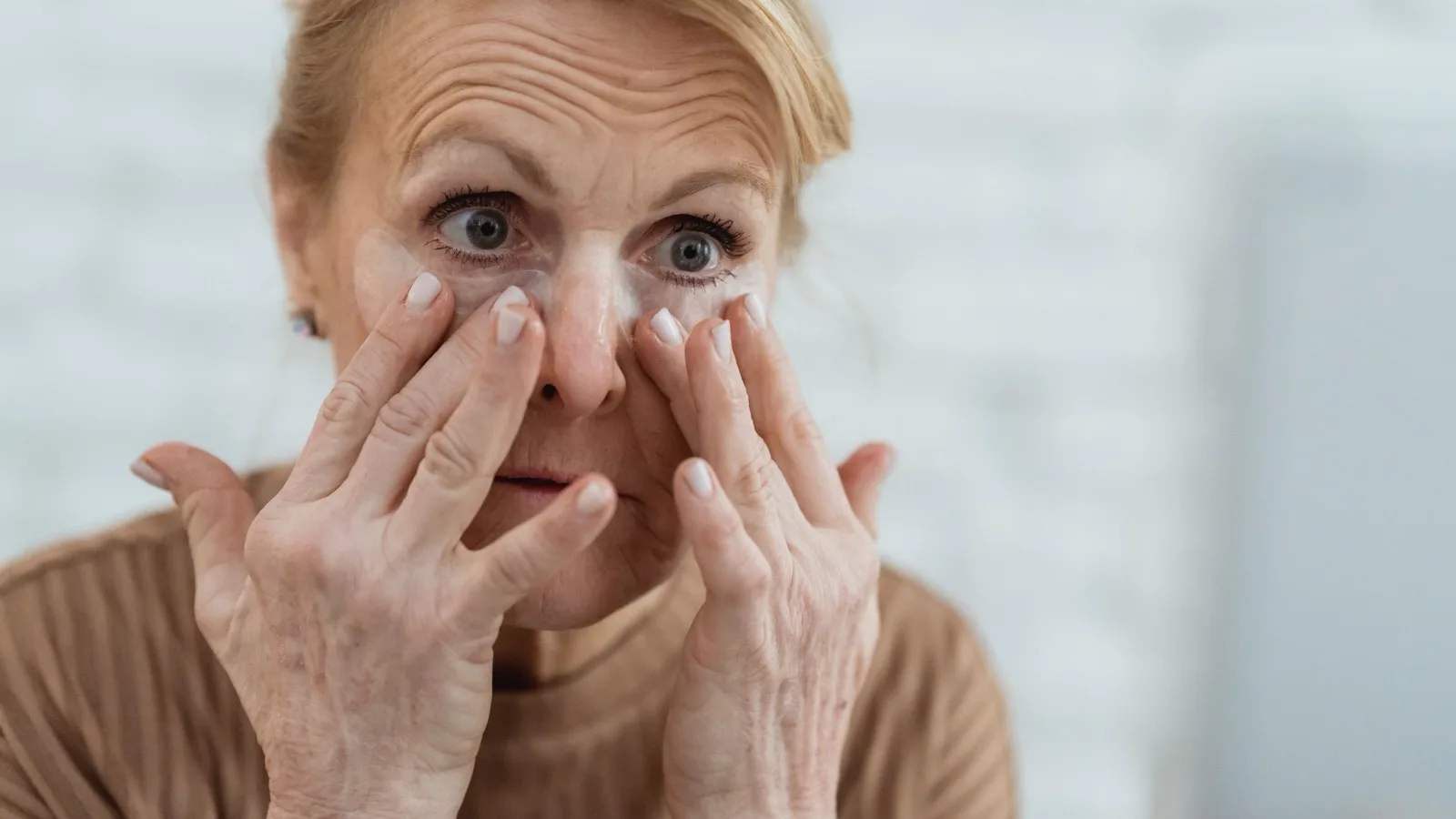
A clear answer makes it easier to compare formulas than a vague search for the “best” product. A moisturizer for dry, tight skin does not need to have the same texture as one for combination skin in warm weather.
Choose a texture you will actually use
| Skin situation | Texture to consider | Tradeoff to watch |
|---|---|---|
| Dry or tight | Rich cream or balm-like moisturizer | Heaviness, pilling, or congestion |
| Normal or mildly dry | Medium-weight cream or lotion | Tightness returning too quickly |
| Combination or oily | Lotion or gel-cream | Not enough comfort in dry weather |
| Sensitive or reactive | Simple, fragrance-free formula | Stinging or too many active ingredients |
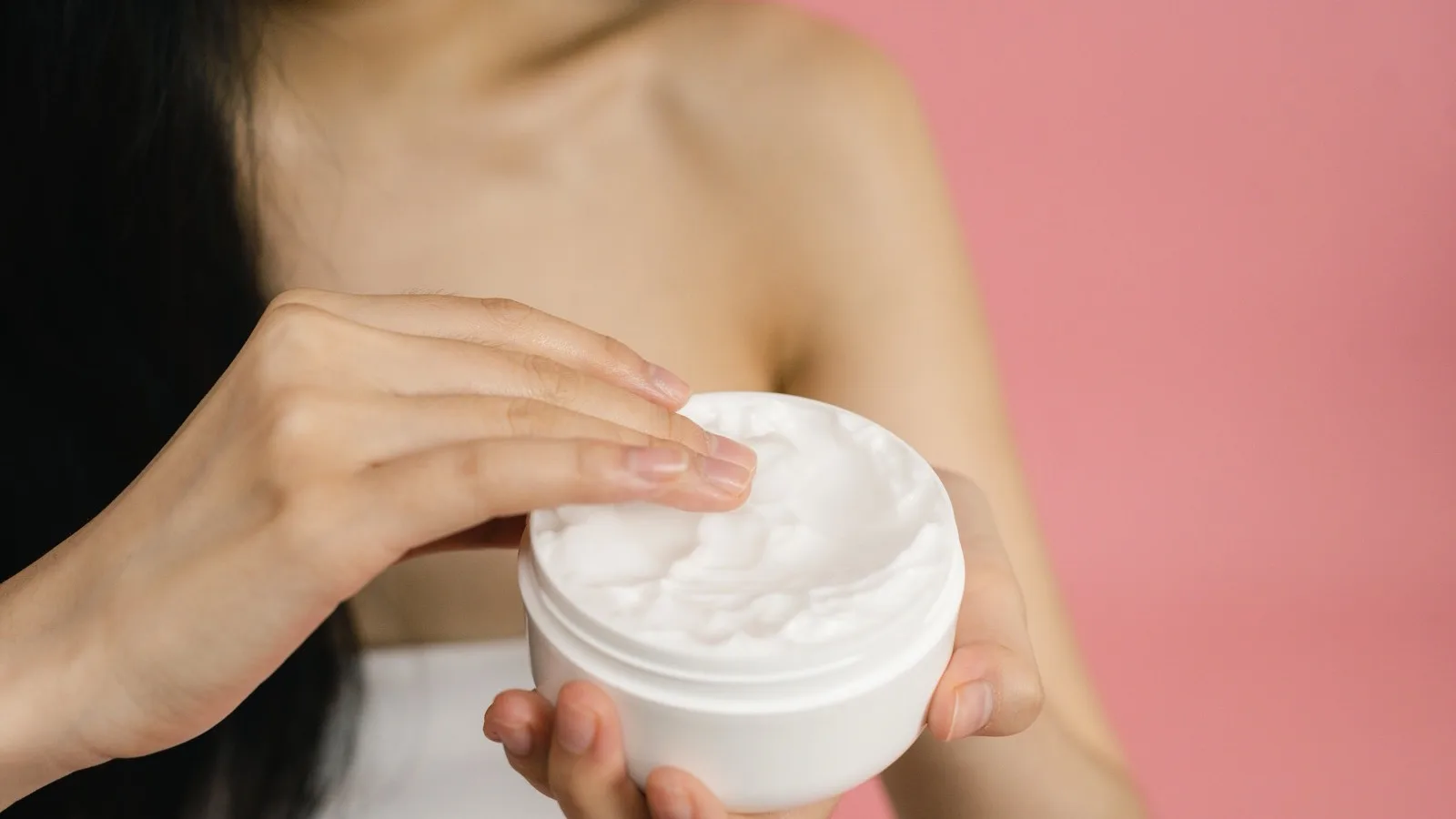
Creams generally feel more cushioning and can suit dry skin or a night routine. Lotions offer a middle ground, while gel-creams may feel lighter in warm weather or on combination skin. Texture is not merely cosmetic: if a product feels unpleasant, you are less likely to apply it consistently.
Look for useful ingredient groups
Humectants such as glycerin help attract water near the skin surface. Emollients help make skin feel smoother, while occlusive ingredients help reduce moisture loss. Ceramides and similar barrier-supportive ingredients may be useful for dryness, but an ingredient list cannot predict your complete experience with a formula.
Moisturizer can make fine lines look temporarily softer by improving the surface appearance of dry skin. The AAD describes moisturizer as a product that traps water in the skin and can reduce the appearance of some fine lines. That is a meaningful benefit, but it is different from permanently lifting or restructuring the skin.
Fine lines and firmness need realistic expectations
If visible aging is your concern, consider moisturizer as one part of a routine that also includes daily sunscreen and, when appropriate, a carefully introduced targeted active. A moisturizer is often the easiest place to improve comfort and consistency, but it cannot replace sun protection or professional treatment.
Retinoids and other active ingredients may be useful for particular concerns, but they can also irritate dry or sensitive skin. The AAD recommends starting retinoids slowly and using moisturizer to help reduce dryness. If your skin is inflamed, highly reactive, or affected by rosacea, ask a dermatologist before adding one.
How to compare before buying
Check the texture, intended use, packaging, fragrance, and instructions. Read claims as descriptions rather than guarantees. Look for a product that is practical for the time of day you plan to use it and that fits with sunscreen or makeup if needed.
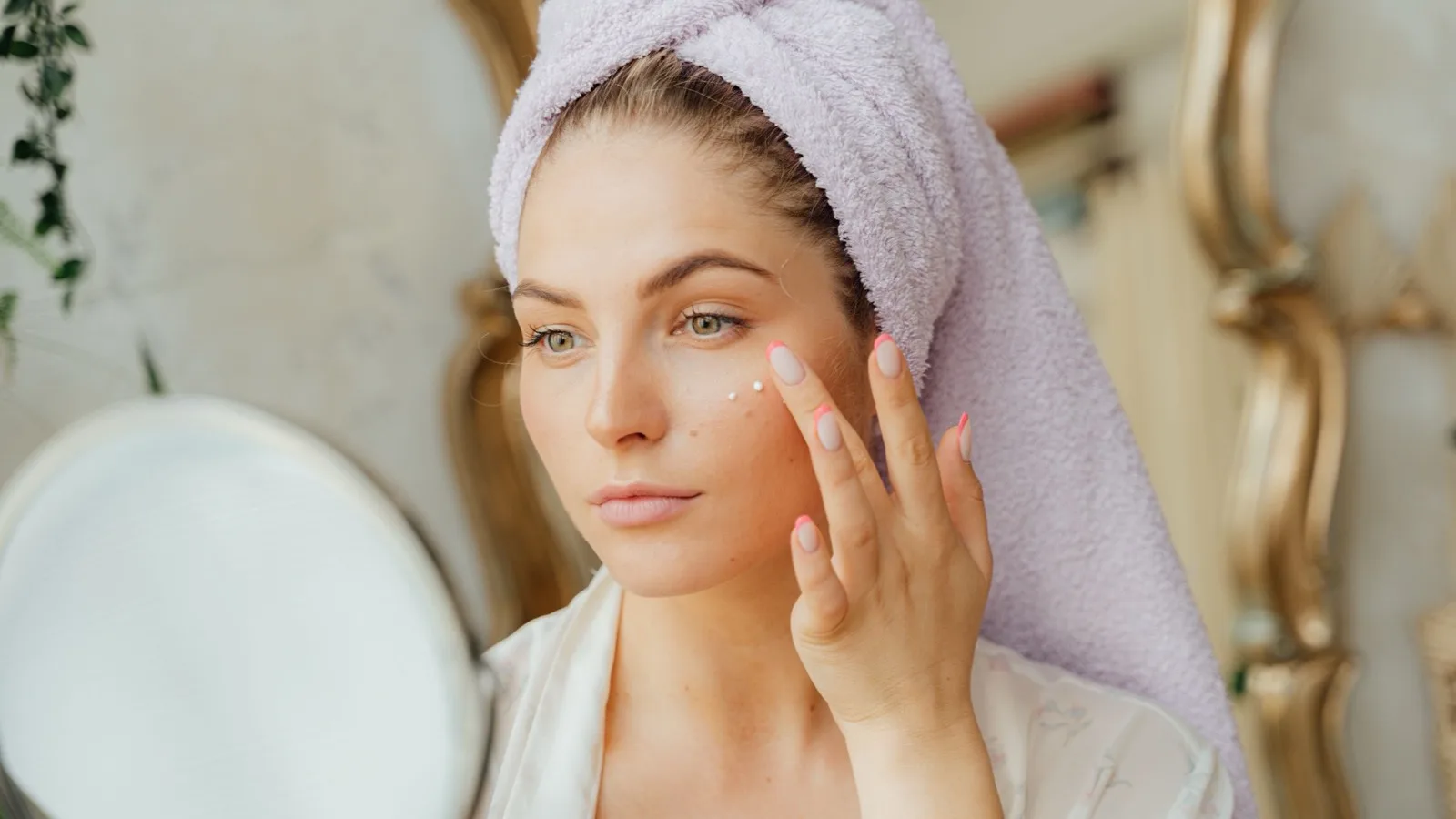
If your skin is reactive, test a small amount before applying the moisturizer broadly. Keep the rest of your routine stable while testing it. Change one variable at a time so you can tell whether the product is helping. The AAD recommends testing even products labeled hypoallergenic.
Who should be cautious
Be cautious with very rich formulas if they consistently feel occlusive or contribute to congestion. Be cautious with heavily fragranced products if fragrance is a known trigger. Also be careful when a moisturizer contains multiple active ingredients that duplicate products already in your routine.
Stop using a product that causes persistent burning, swelling, hives, or worsening redness. If a reaction does not settle, or if the skin concern is painful or rapidly changing, seek professional advice rather than adding another moisturizer.
A simple buying checklist
Before buying, ask:
- What specific problem am I trying to solve?
- Which texture will I actually use every day?
- Does the formula fit with my cleanser, sunscreen, and any active products?
- Is fragrance a known personal trigger?
- Can I test it without changing several other products at the same time?
Choose the lightest texture that solves the problem, give it a fair trial, and adjust one variable at a time. The goal is not to collect the most advanced claims. It is to find dependable support that fits the rest of your routine.
Where to go next
For the broader context, read Aging Skin Guide: Fine Lines, Firmness, and Moisture. For face creams focused on fine lines, see Best Face Creams for Fine Lines and Wrinkles. You can also review Skincare Product Categories Explained before comparing other product types.