Best of
Best Face Creams for Fine Lines and Wrinkles
Choose a face cream for fine lines by skin need, texture, ingredient groups, routine fit, and realistic expectations.
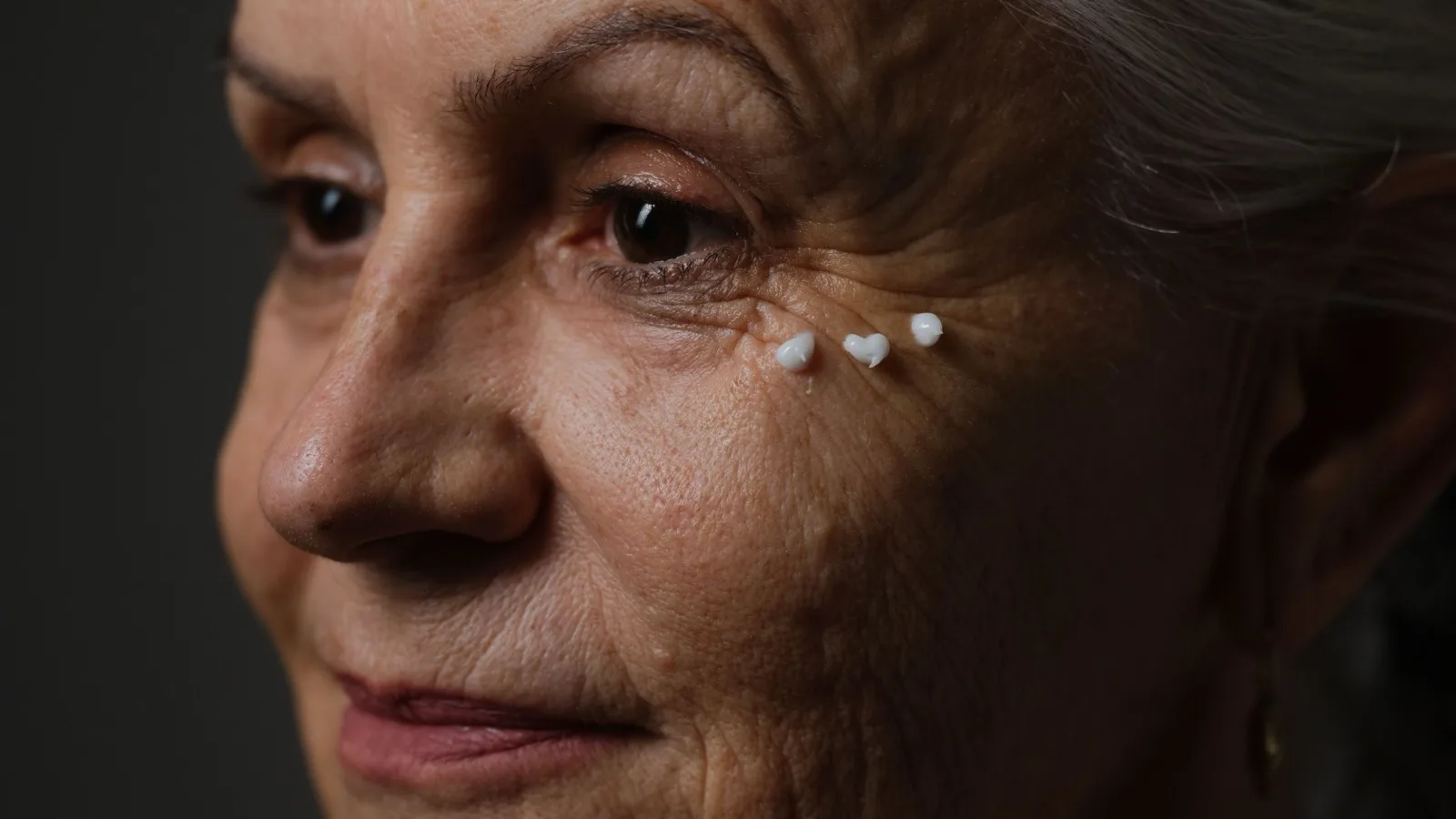
Quick Answer
Compare face creams by hydration, texture, routine fit, and targeted ingredients. Moisture can soften the look of fine lines, while broad-spectrum SPF 30 or higher remains central to protecting against further visible sun-related change.
When fine lines become more noticeable, it is tempting to search for the richest cream or the most dramatic claim.
A better starting point is to ask what your skin needs the cream to do and whether you can use it comfortably and consistently.
Key Takeaways
- Start with comfortable cleansing, moisturizer, and broad-spectrum SPF 30 or higher.
- Humectants, emollients, and occlusives support different parts of the moisturizing job.
- A retinoid may help some fine-line concerns, but introduce it slowly and ask a dermatologist if your skin is substantially red or inflamed.
- Moisture can improve the appearance of dryness and fine lines, but no cream guarantees wrinkle removal.
Choose This Approach If...
- You are comparing too many face-cream claims
- You need to match texture to dryness or congestion
- You want selection logic before choosing a product
The short answer: choose support before promises
The best face cream is not automatically the most expensive or intensive option. For many people, a comfortable moisturizer can soften the look of dehydration and help a routine stay consistent. If you want to address a specific concern, compare the formula, texture, and routine fit before comparing marketing language.
The American Academy of Dermatology recommends starting an anti-aging plan with sunscreen and moisturizer. It also notes that moisturizing can reduce the appearance of some fine lines by trapping water in the skin. Those are useful, bounded benefits—not a promise that a cream will erase permanent wrinkles.
Start with the problem you can describe
Fine lines may look deeper when skin is dry, when makeup settles into them, or after repeated sun exposure. If tightness is the main issue, begin with moisture support. If texture or tone is the main concern, a cream with a carefully introduced active may make more sense. One product cannot solve every visible change at once.
Choose a cream based on a clear job:
- Hydration: improve the feel and appearance of dry, tight skin.
- Daily support: create a comfortable base under sunscreen or makeup.
- Nighttime comfort: reduce moisture loss while you sleep.
- Targeted care: deliver one active ingredient that you can tolerate and use as directed.
This framework keeps a product from being asked to do everything at once.
Choose a texture you will use consistently
A richer cream can suit dry skin or evening use, while a lotion may be easier for combination skin or warmer weather. If a product feels greasy, pills under sunscreen, or stings, it is unlikely to become a reliable part of your routine. Comfort is a practical selection criterion, not an afterthought.
If you are unsure, start with the texture you are most likely to apply consistently. You can adjust richer or lighter later if your skin’s needs change with weather, cleansing, or other products.
Ingredient groups worth comparing
Humectants such as glycerin support hydration. Emollients smooth the feel of roughness, and occlusive ingredients help reduce moisture loss. These groups are useful for understanding what a formula is designed to do.
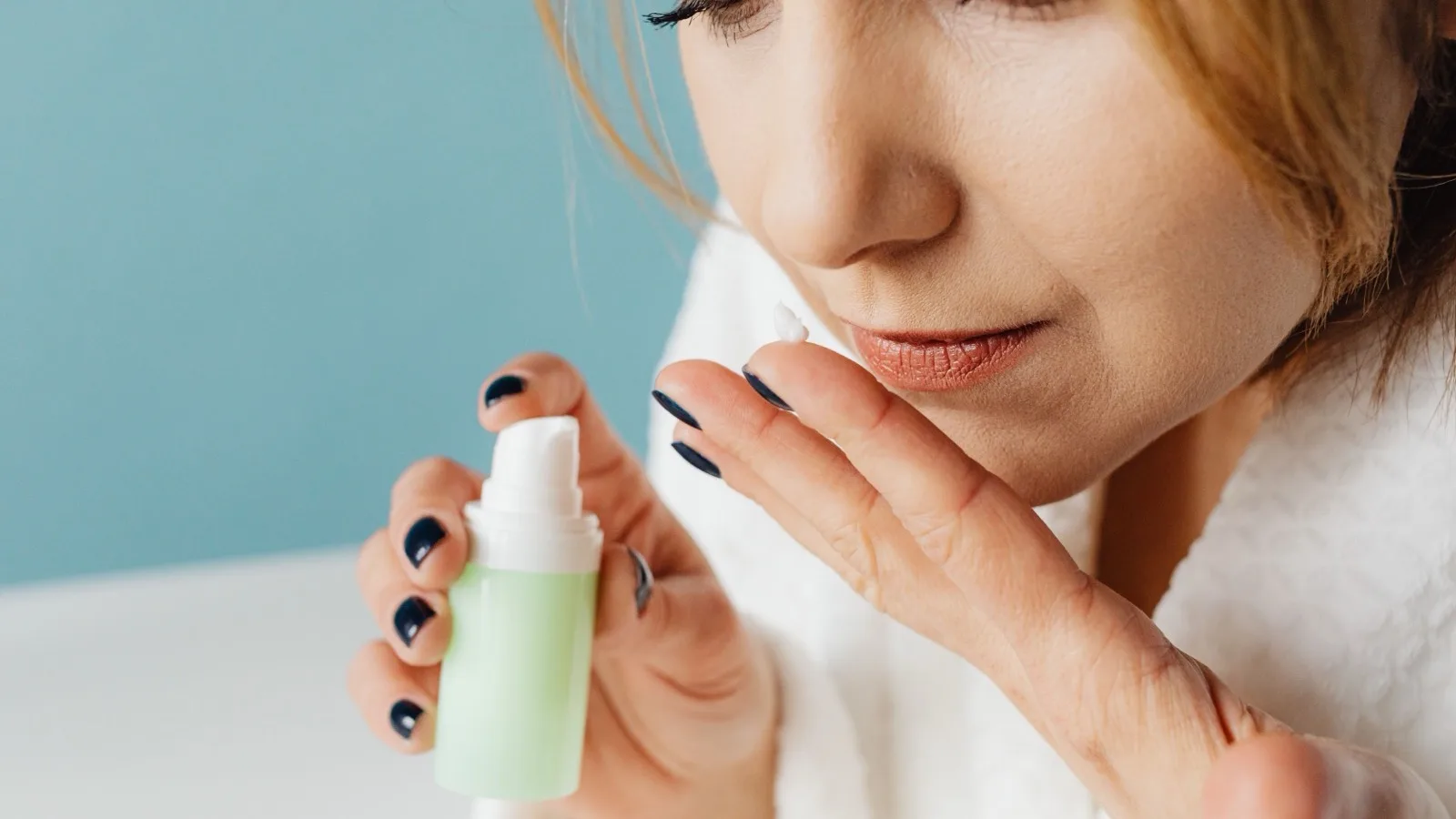
Peptides, retinoids, and antioxidant ingredients appear in many formulas aimed at visible aging. A strong ingredient is only useful if you can introduce and use it without persistent irritation. The AAD recommends starting retinoids slowly and using moisturizer to help mitigate dryness. If your skin has significant redness, inflammation, or sensitivity, ask a dermatologist whether a retinoid is appropriate.
Fine lines versus wrinkles: set realistic expectations
Moisture can make skin appear temporarily plumper and more comfortable. The AAD notes that many anti-aging products need at least six weeks, and sometimes three months, to show their full effect. A product that produces a quick smoother appearance may be improving hydration, while longer-term changes require consistent use and realistic expectations.
Daily sunscreen remains central because UV exposure accelerates visible aging. Choose broad-spectrum SPF 30 or higher and use it consistently. A face cream cannot make up for repeated unprotected sun exposure.
How to compare face creams
Before buying, check:
- texture and intended time of day;
- fragrance and known personal triggers;
- whether the formula contains an active already present elsewhere in your routine;
- whether it works under sunscreen or makeup if needed;
- instructions, packaging, and the ability to test it gradually.
Look for claims that describe a formula rather than promise a guaranteed transformation. If your skin is reactive, keep the rest of the routine stable while testing a new cream. That makes it easier to tell whether the product is helping.
Who should be cautious
Be cautious with fragranced formulas when fragrance is a known trigger, and with heavily occlusive textures if they consistently contribute to congestion. Be especially careful about adding several anti-aging actives at once. More irritation can make fine lines and uneven texture look more noticeable.
Stop using a product that causes persistent burning, swelling, hives, or worsening redness. A new, painful, bleeding, or rapidly changing skin concern deserves professional advice rather than a stronger product claim.
A practical selection sequence
- Improve the basic routine with comfortable cleansing, moisturizer, and sunscreen.
- Decide whether dryness, tone, texture, or fine lines are the main concern.
- Choose one targeted product or active with a clear purpose.
- Introduce it slowly and test it before applying it broadly.
- Give it enough time to evaluate before adding another change.
This process is less exciting than buying several products at once, but it produces better information and usually creates a routine that is easier to maintain.
Where to go next
For the broader context, read Aging Skin Guide: Fine Lines, Firmness, and Moisture. If you want to compare moisturizers by skin need and texture, continue to Best Moisturizers for Aging Skin. For a targeted vitamin A option, see Retinol Alternatives for Aging Skin.