Comparison
Retinol Alternatives for Aging Skin
Retinol alternatives should be chosen by the reason you are avoiding retinol, your skin tolerance, and the concern you want to address—after daily SPF 30 or higher and moisturizer are in place.
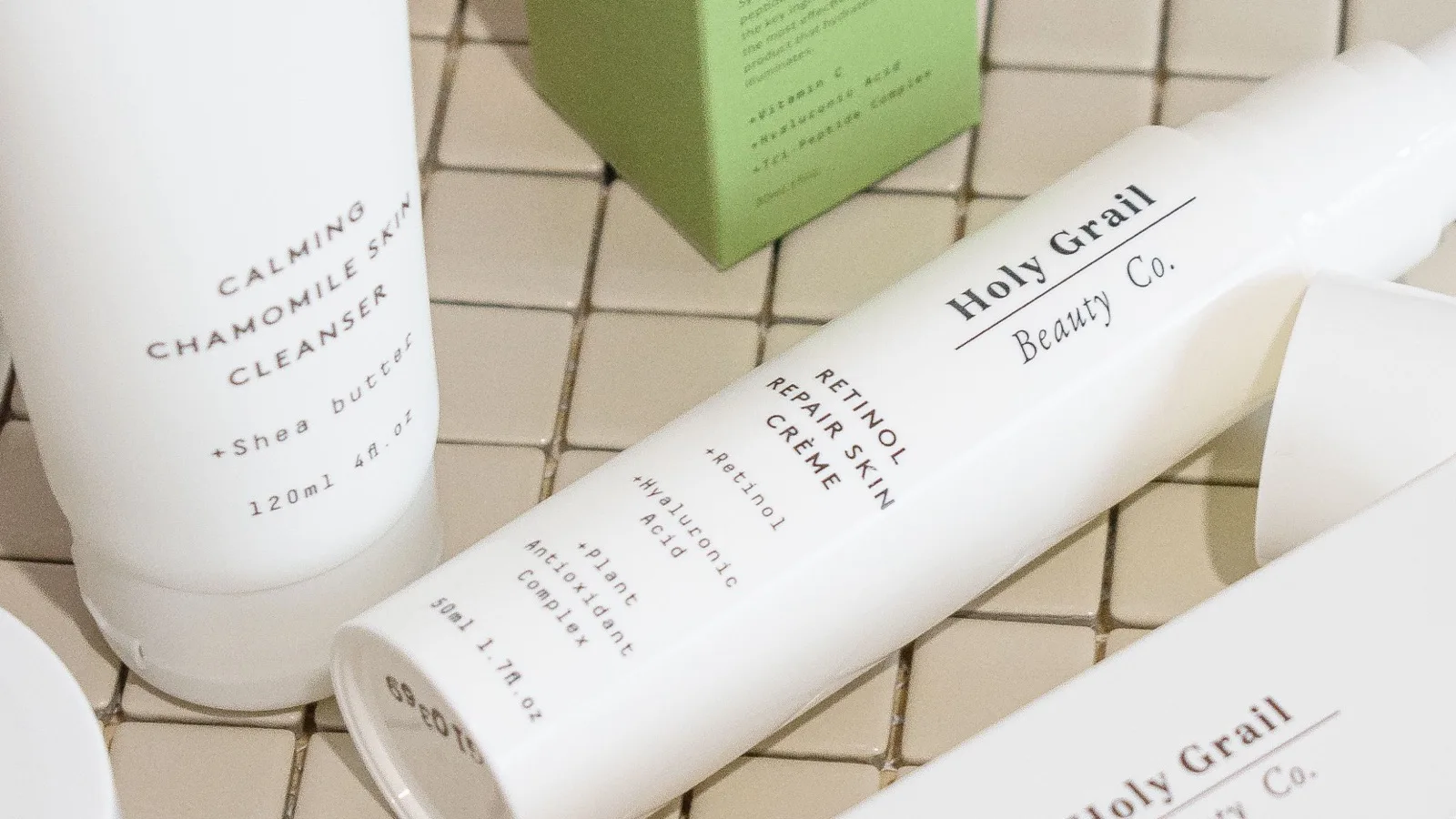
Quick Answer
Start with broad-spectrum SPF 30 or higher and moisturizer, then compare bakuchiol, peptides, vitamin C, or niacinamide by purpose rather than treating them as identical substitutes for retinol.
Retinol is often presented as the default answer for fine lines and texture, but it is not the only path.
The useful comparison is which approach you can use consistently for the goal you actually have.
Key Takeaways
- Choose an alternative based on the reason you are avoiding retinol and the concern you want to address.
- Build a foundation with broad-spectrum SPF 30 or higher and moisturizer before adding another active.
- Bakuchiol, peptides, vitamin C, and niacinamide have different purposes and are not identical retinol substitutes.
- Introduce one change at a time and stop if persistent irritation develops.
Choose This Comparison If...
- Retinol has been difficult for your skin to tolerate
- You want a gentler-looking active approach
- You need to compare ingredients by purpose rather than popularity
The short answer: match the alternative to the reason you are avoiding retinol
If irritation is the concern, start with a simpler routine and introduce one mild change at a time. If your main goal is hydration or comfort, a moisturizer may be more relevant than another active. If you want a targeted option, ingredients such as bakuchiol, peptides, vitamin C, or niacinamide may appear in products positioned as retinol alternatives, but they should not be treated as identical substitutes.
Start with daily broad-spectrum SPF 30 or higher and consistent moisturizer. The American Academy of Dermatology identifies sunscreen and moisturizer as the two most effective anti-aging products to start with. An alternative active is an optional next step, not a replacement for that foundation.
Why people look for alternatives
Retinoids can be difficult to tolerate when introduced too quickly or combined with other irritating products. Dryness, stinging, peeling, or a crowded routine can make adherence difficult. The AAD recommends starting retinoids slowly and using moisturizer to help manage dryness. People with substantial redness or inflammation should ask a dermatologist whether a retinoid is appropriate.
Avoiding retinol does not mean giving up on skincare. It means choosing a path that fits your tolerance and expectations. Sometimes the right alternative is not another active; it is a better cleanser, a more comfortable moisturizer, or a routine that you can repeat without irritation.
Bakuchiol and other options
Bakuchiol
Bakuchiol is commonly marketed as a botanical retinol alternative. It may appeal to people who prefer a non-retinoid product, but “alternative” does not mean identical. Product formulas, concentrations, study designs, and individual responses vary. Treat it as a separate ingredient with its own evidence rather than assuming it will reproduce every retinoid benefit.
Peptides
Peptides appear in formulas focused on skin feel, hydration, and the appearance of firmness. They may be a reasonable choice when you want a lower-intensity product, but a peptide cream still needs to fit your texture preferences and routine. Do not choose it solely because the word “firming” appears on the label.
Vitamin C
Vitamin C is often chosen for uneven tone and antioxidant support. It can be useful for a specific goal, but some formulas sting or become difficult to tolerate. Introduce it separately from other new actives and continue daily sunscreen; vitamin C is not a substitute for sun protection.
Niacinamide and hydration-focused products
Niacinamide may appear in products intended for barrier support, tone, or oil balance. Hydrating ingredients and a dependable moisturizer may be the better choice when dryness is the main concern. A routine that improves comfort can be more valuable than an active that you use inconsistently.
Build the foundation first
Before adding a replacement active, make the basic routine workable:
- Cleanse gently or rinse without stripping.
- Apply a comfortable moisturizer.
- Use broad-spectrum SPF 30 or higher in the morning.
- Add one targeted ingredient only when you can explain its job.
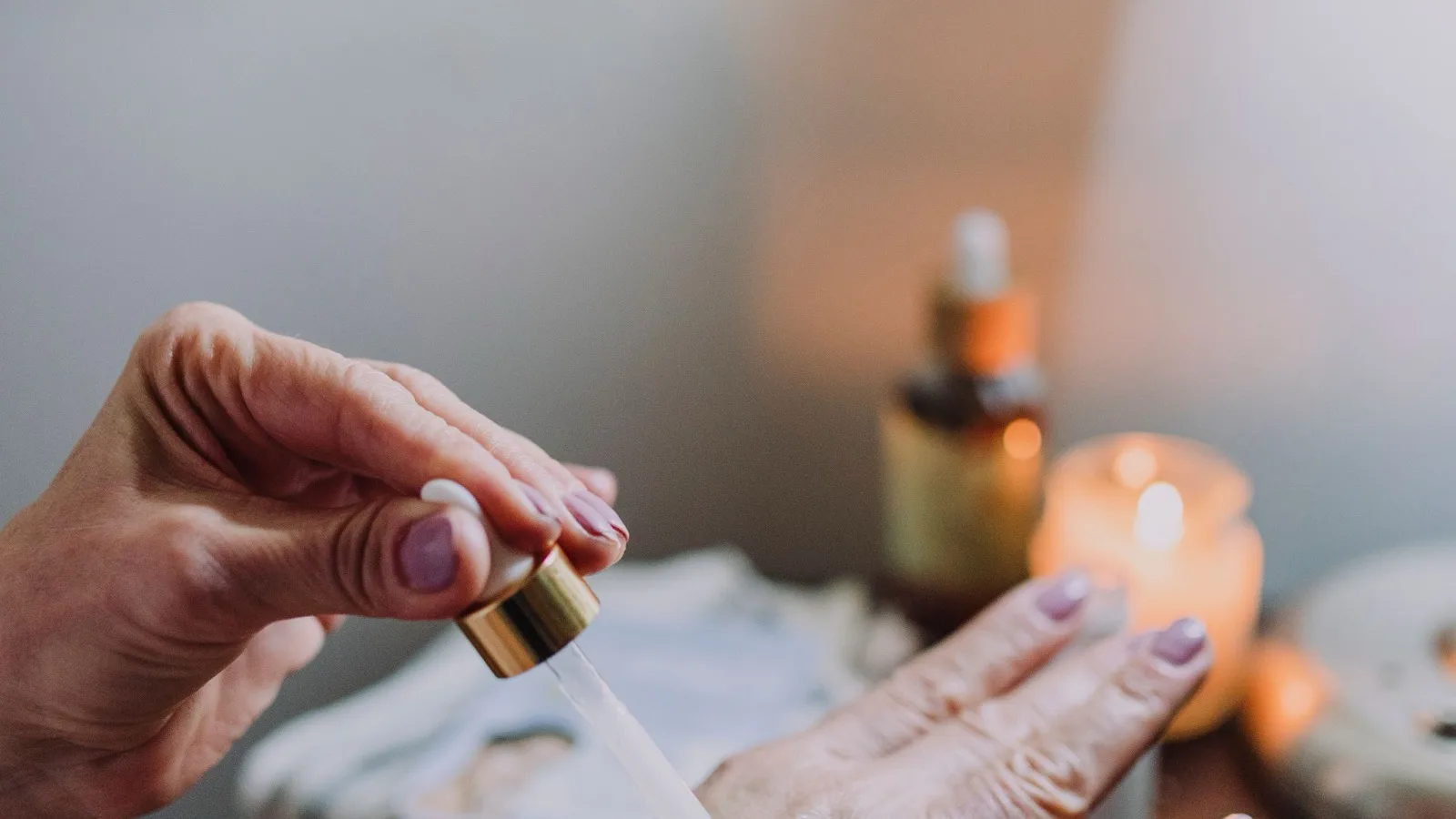
The AAD notes that sunscreen and moisturizer should be the starting point for an anti-aging plan. A stable foundation also makes it easier to evaluate whether a new serum or cream is helping instead of reacting to several changes at once.
How to introduce an alternative
Choose one product, use it at a modest frequency, and keep the rest of the routine familiar. Follow the product directions and test a small amount before applying it broadly. If the product causes persistent burning, swelling, hives, or worsening redness, stop using it.
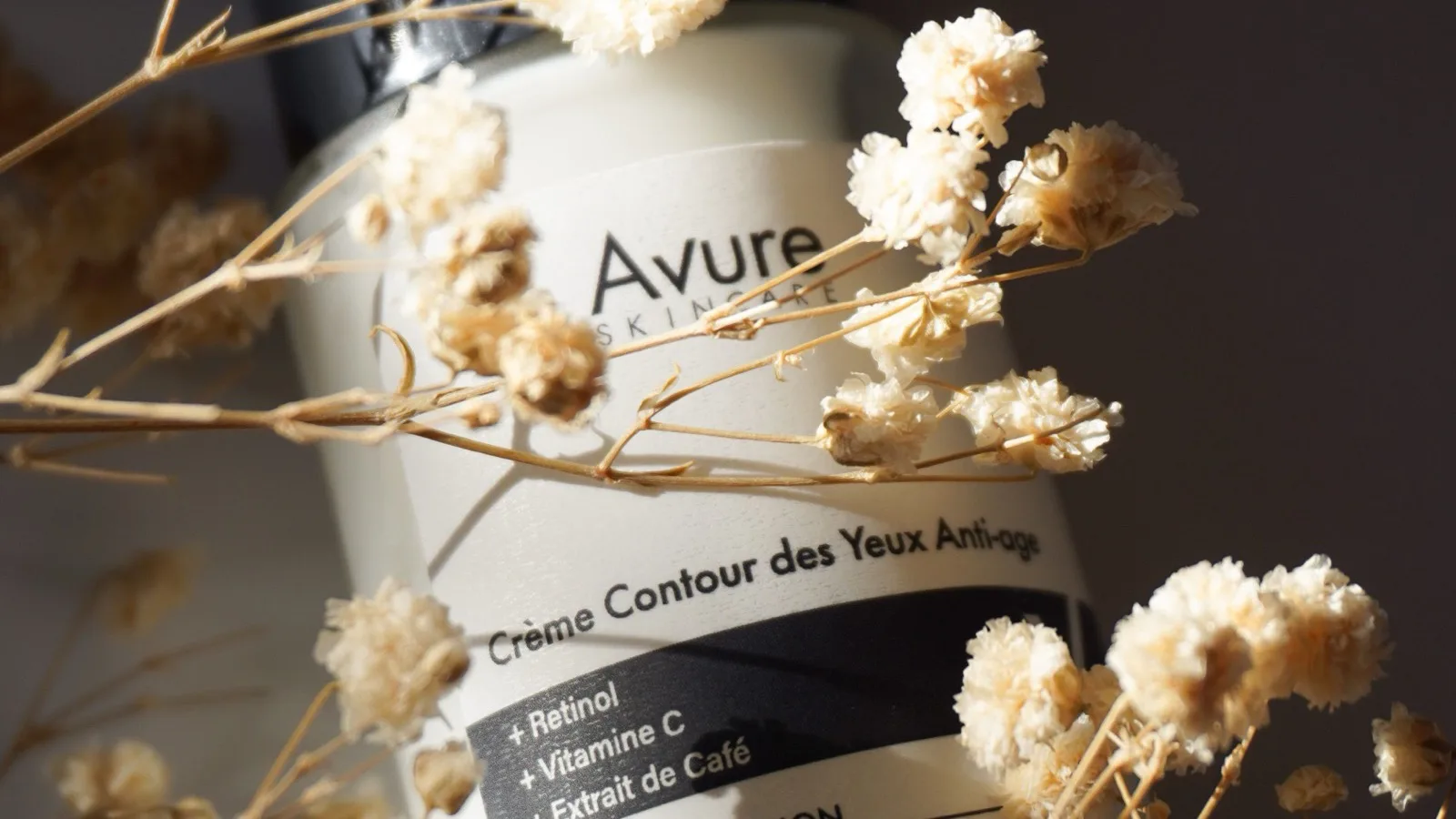
Do not layer several “gentle” actives simply because each one sounds mild. The total routine still determines how much stress your skin experiences. Give a product enough time to evaluate it, but do not continue through a persistent reaction just to reach an arbitrary deadline.
What alternatives can and cannot do
An alternative may support hydration, tone, texture, or the look of fine lines, depending on its ingredients and your consistency. It cannot guarantee the same result as a retinoid, and no product can permanently stop visible aging.
Be skeptical of claims that promise dramatic lifting, permanent reversal, or identical results without meaningful qualification. If your concern is new, painful, rapidly changing, or associated with substantial inflammation, seek professional advice rather than switching between cosmetic actives.
Where to go next
For the broader foundation, read Aging Skin Guide: Fine Lines, Firmness, and Moisture. For a practical morning sequence, continue to Morning Routine for Aging Skin. If you want to compare moisturizer textures, see Best Moisturizers for Aging Skin.