Guide
Best Moisturizers for Dry Skin
The best moisturizer for dry skin is the one that provides lasting comfort, fits the reader's preferred texture, and can be used consistently.
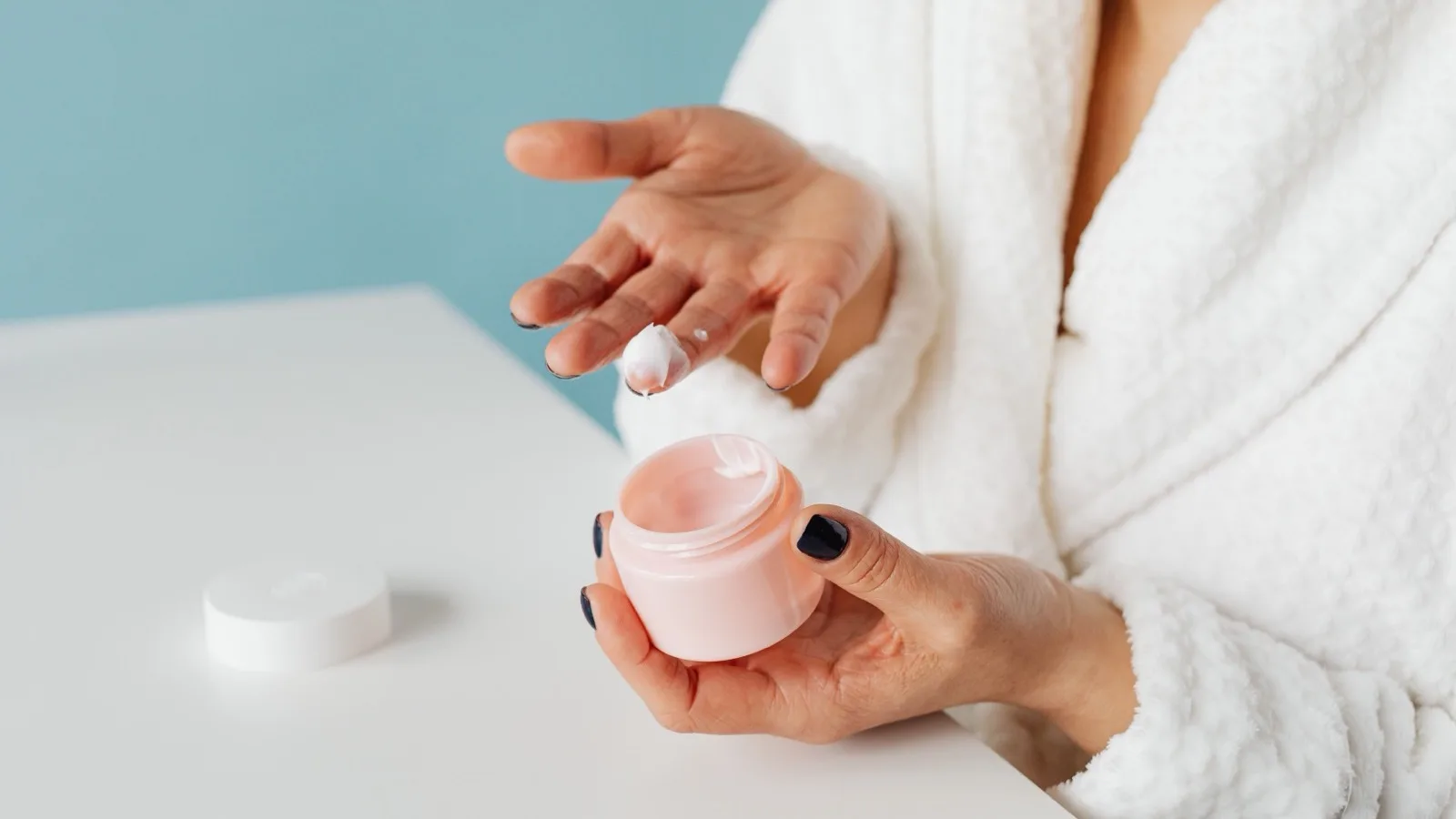
Quick Answer
Choose a moisturizer by how long it keeps your skin comfortable, not only by how rich it feels at application. Match the texture and ingredients to your skin's needs, routine, and tolerance.
If your skin feels comfortable when you apply moisturizer but tight again an hour later, the problem may not be that you need a stronger product.
For dry skin, a useful moisturizer should help your skin stay comfortable, fit the time of day, and be pleasant enough to use consistently.
Key Takeaways
- Choose for lasting comfort rather than the richest first impression.
- Humectants, emollients, and occlusive ingredients can support different parts of dry-skin comfort.
- Match lotion, cream, gel-cream, or balm to your situation and texture tolerance.
- Change one meaningful product at a time so you can tell what helps.
- Persistent painful, cracked, or inflamed symptoms need professional attention.
Choose This Approach If...
- Your skin feels tight again soon after moisturizing
- You are comparing textures and ingredient claims
- You want a practical way to choose without relying on brand popularity
The short answer: choose for lasting comfort
The best moisturizer for dry skin is usually the one that reduces tightness without leaving you uncomfortable, greasy, or tempted to skip the next application. Look for a formula that combines water-binding ingredients with emollients and, when needed, more protective ingredients that help reduce moisture loss.
No single texture is best for everyone. A lotion may be enough during the day. A cream may feel better when the air is dry or your skin is persistently tight. A balm may be useful on particularly rough areas, but it can feel too heavy across the whole face.
What dry skin usually needs from a moisturizer
Dry skin often benefits from three kinds of support working together:
- Humectants help attract and hold water in the outer layer of skin. Examples include glycerin and hyaluronic acid.
- Emollients help soften roughness and make the surface feel smoother. They can make a formula feel more comfortable without necessarily making it heavy.
- Occlusive ingredients form a more protective layer that slows water loss. They can be especially useful when skin feels tight, flaky, or exposed to cold, dry air.
These categories are more useful than judging a product by one fashionable ingredient. A well-balanced formula may be more helpful than a product that makes one dramatic claim but does not feel comfortable enough to use.
Choose the texture that matches your situation
Lotion for lighter daily comfort
A lotion can be a good starting point when your skin is dry but not severely uncomfortable. It may absorb quickly and work well under sunscreen or makeup. If your skin feels tight again soon after applying it, the texture may be too light for your current needs.

Cream for persistent tightness
Creams generally contain more softening and protective ingredients than lighter lotions. They can make sense when your skin feels rough, tight after cleansing, or uncomfortable in colder weather. Start with a modest amount and apply it to slightly damp skin if that feels more comfortable.
Gel-cream when you dislike heavy products
Some people with dry skin avoid moisturizer because rich products feel sticky or warm. A gel-cream can be a useful compromise. It may not provide enough protection for every situation, but a lighter product that you use consistently is often more useful than a richer one that stays in the drawer.
Balm for small areas that need extra protection
Balms are better thought of as targeted support than a mandatory face-wide step. They may help on rough patches, around the lips, or on areas exposed to wind. Use them selectively if a full layer feels too heavy.
How to compare moisturizers before buying
When comparing products, ask four questions:
- What does my skin feel like after cleansing? If it feels tight immediately, prioritize comfort and barrier support over a very light finish.
- How long does the comfort last? A pleasant first five minutes is not enough if the tight feeling returns quickly.
- What will I apply over it? A daytime moisturizer should work with sunscreen. A night moisturizer can be richer if that suits you.
- Will I use it consistently? Fragrance, texture, pilling, or a greasy finish can all make a theoretically good product impractical.
What to look for on the label
Ingredients such as glycerin, hyaluronic acid, ceramides, and petrolatum may appear in products designed to support dry-feeling skin. The ingredient list does not tell the whole story, though. Concentration, formula design, and your own tolerance matter too.

If your skin is easily irritated, choose a simple formula and introduce one new product at a time. “For dry skin” is not a guarantee that a product will suit sensitive skin, and “natural” is not a guarantee that it will be gentle.
The American Academy of Dermatology recommends applying moisturizer while skin is still damp to help trap water in the skin. Read the AAD’s dry-skin guidance.
Common mistakes when choosing a moisturizer
Choosing the richest product automatically
Richness is not the same as effectiveness. A heavy product may feel uncomfortable, clog the routine, or encourage you to use too little. Match the texture to the problem you are actually trying to solve.
Changing several products at once
If you replace your cleanser, moisturizer, and serum simultaneously, you lose the ability to tell what helped or irritated your skin. Change one meaningful variable at a time whenever possible.
Treating every dry feeling as a product problem
Hot water, long cleansing, cold air, and over-exfoliation can all contribute to tightness. A better moisturizer may help, but it cannot always compensate for a routine that is repeatedly stripping comfort away.
A simple dry-skin routine
In the morning, cleanse gently or rinse if that suits your skin, apply moisturizer, and finish with sunscreen. At night, remove makeup or sunscreen, cleanse without scrubbing, and apply moisturizer while the skin is slightly damp.
Add a serum or balm only when it has a clear job. If your skin becomes painful, intensely itchy, cracked, or persistently inflamed, product experimentation is not a substitute for professional advice.
Where to go next
For the broader causes and routine choices, read the Dry Skin Guide: Causes, Routine, and Product Choices. If you are unsure which product categories you actually need, see Which Skincare Products Do You Actually Need?.
The best moisturizer is not necessarily the thickest, most expensive, or most popular option. It is the one that addresses your skin’s current need, fits your routine, and helps you stay comfortable long enough to use it consistently.