Best of
Best Serums for Hyperpigmentation
Choose a serum for hyperpigmentation by the concern, ingredient role, tolerance, texture, and fit with a routine that includes sun protection.

Quick Answer
Start with daily sunscreen and a gentle routine, then choose one serum for the concern you can describe. Compare vitamin C, niacinamide, azelaic acid, retinoids, or exfoliating acids by purpose and introduce one slowly.
The best serum for hyperpigmentation is not chosen by the brightest packaging or the longest ingredient list.
It should match the type of uneven tone you are trying to address and be tolerable enough to use consistently.
Key Takeaways
- Start with daily sunscreen and a gentle foundation because new sun exposure or inflammation can work against progress.
- Choose one serum for one clear concern, such as post-acne marks or uneven tone.
- Vitamin C, niacinamide, azelaic acid, retinoids, and exfoliating acids are not interchangeable.
- Introduce one active serum slowly and stop the newest addition first if irritation develops.
Choose This Approach If...
- You are comparing too many serum claims
- You need to match an ingredient to a specific concern
- You want a routine that is easier to evaluate
The short answer: choose one clear job
Start with sunscreen and a gentle routine. Then choose one serum for the concern you can describe: post-acne marks, uneven tone, or a broader brightening goal. Vitamin C, niacinamide, azelaic acid, retinoids, and exfoliating acids can all appear in these products, but they are not interchangeable.
Start by identifying the concern
Did the mark follow acne, irritation, or sun exposure? Is your skin also dry or reactive? A serum may be useful, but it cannot compensate for a routine that keeps creating inflammation. The likely trigger matters as much as the product category.
Ingredient groups worth comparing
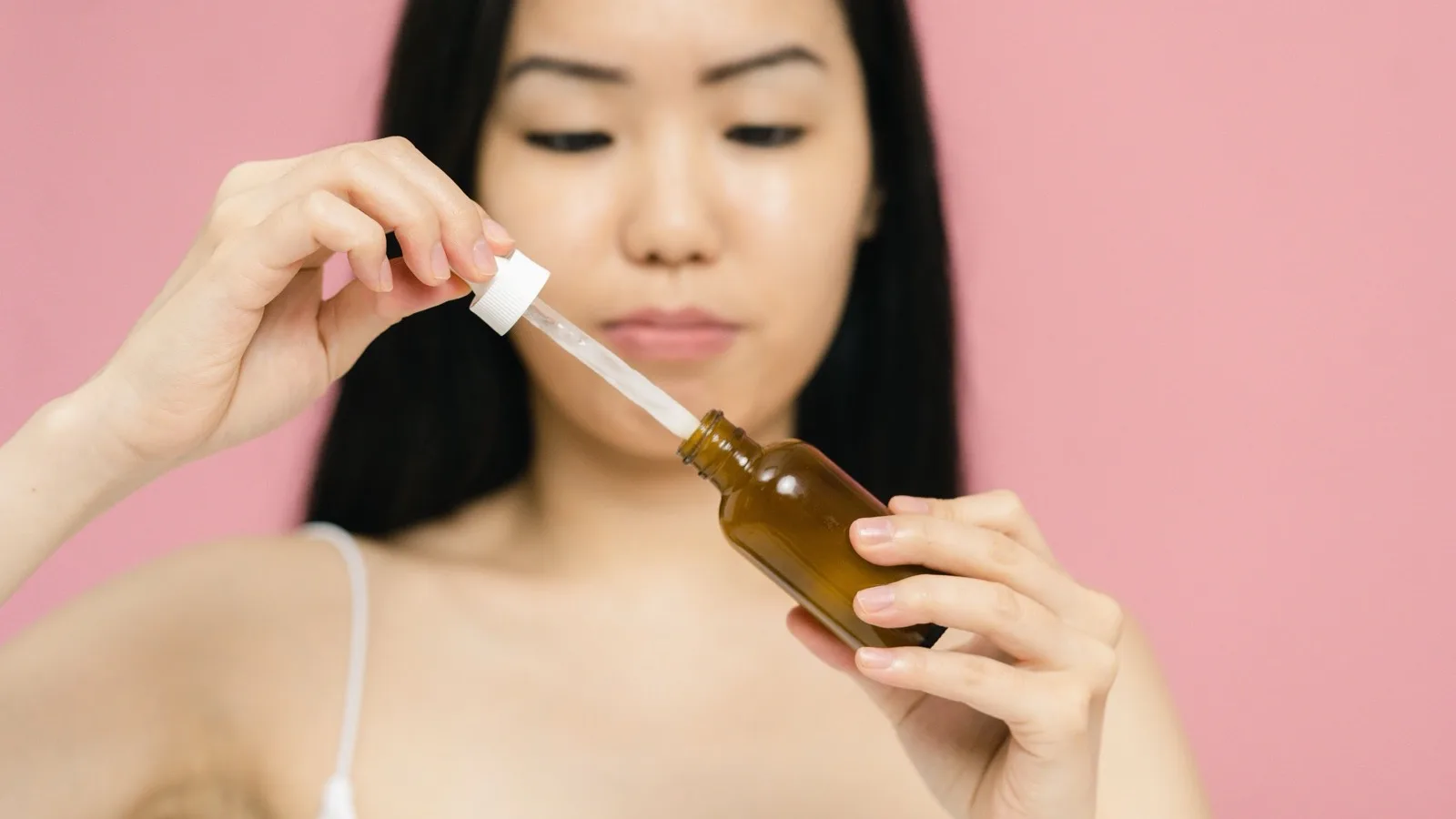
Vitamin C is often used in morning brightening routines. Niacinamide may fit people who want a versatile, usually lighter step. Azelaic acid can be relevant when uneven tone and blemish-prone or reactive skin overlap. Retinoids and exfoliating acids require especially careful introduction.
Texture and routine fit
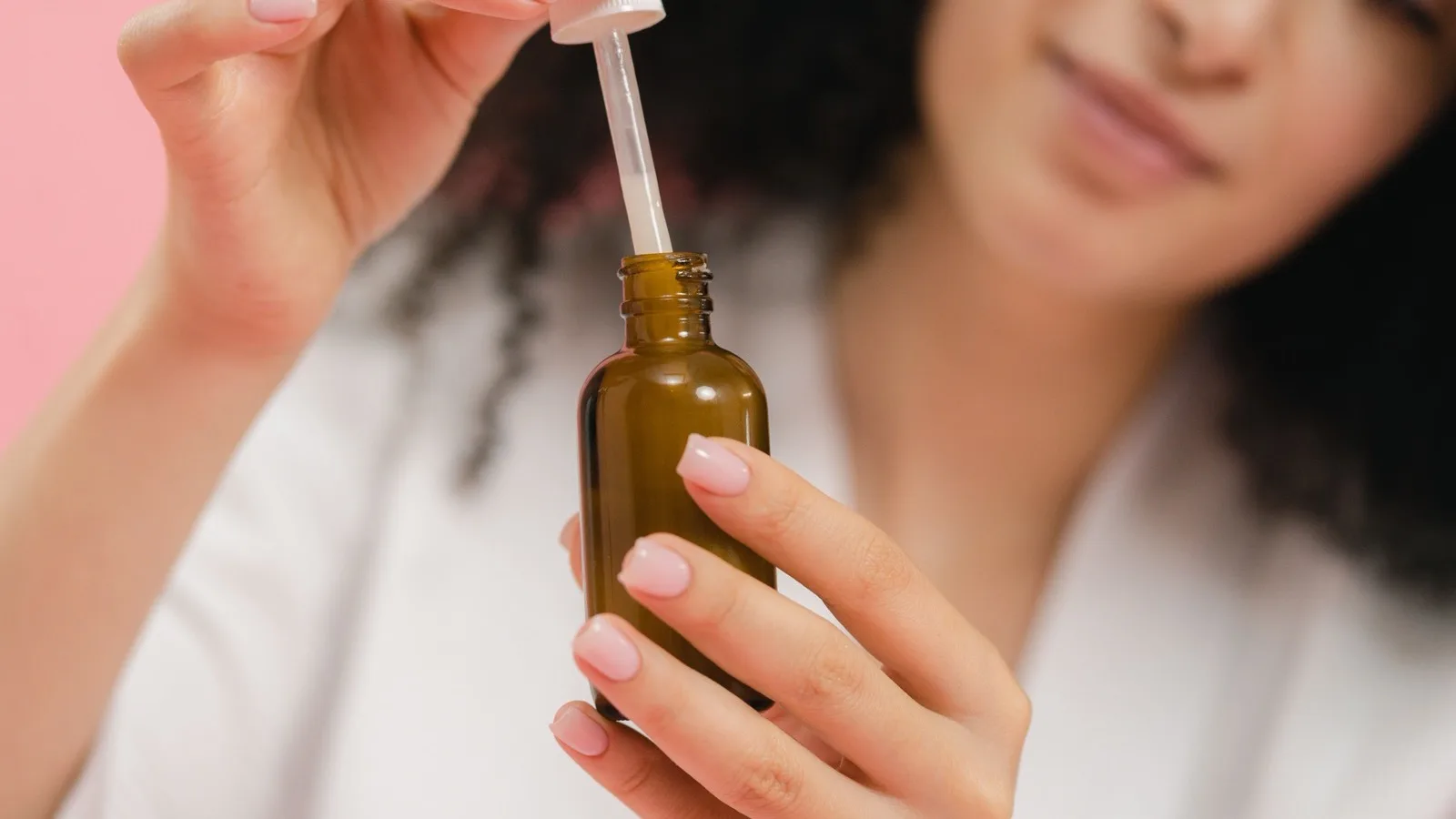
Choose a serum you can layer without pilling, stinging, or making sunscreen unpleasant. A watery serum may feel easier in a crowded routine, while a more emollient formula may suit dry skin. Texture is part of whether the product becomes a habit.
How to introduce a serum
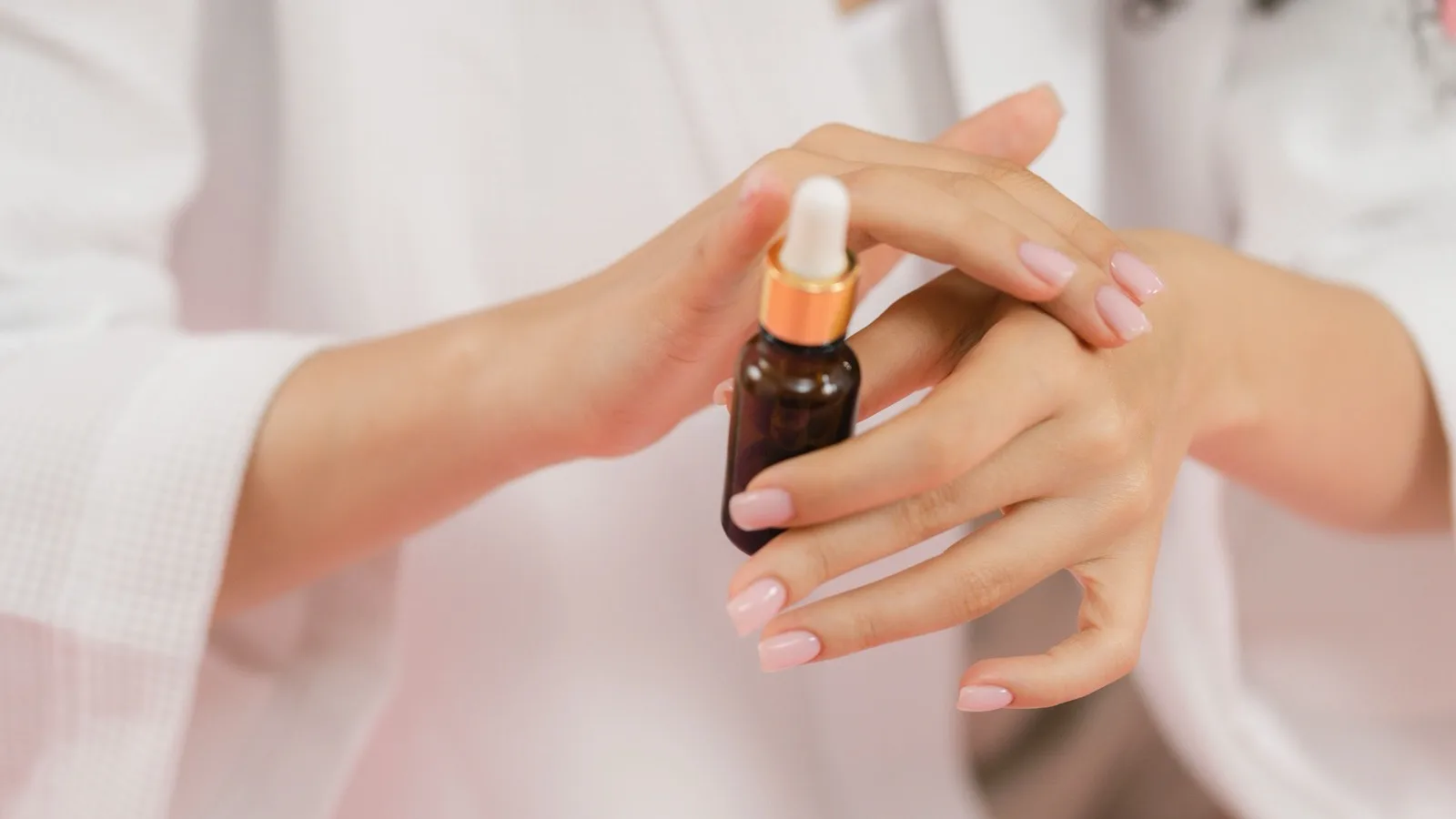
Keep the rest of the routine familiar, follow the product directions, and introduce one active at a time. If irritation develops, stop the newest addition first. Do not layer several brightening serums simply because each one sounds gentle on its own.
What results can realistically look like
Progress is usually gradual, and new sun exposure or inflammation can work against it. A serum may support a more even appearance, but it cannot promise instant or permanent correction. Be cautious with language that sounds certain.
When a serum is not the right next step
A changing, painful, bleeding, or unusual mark needs professional assessment. Persistent burning or swelling also deserves attention rather than another product experiment.
Where to go next
For the broader framework, read Dark Spots and Hyperpigmentation Guide. To understand the ingredient categories, see Brightening Ingredients Explained.