Guide
Dark Spots and Hyperpigmentation Guide
Approach dark spots and hyperpigmentation with daily sun protection, a low-irritation routine, and one targeted ingredient chosen for the likely cause.
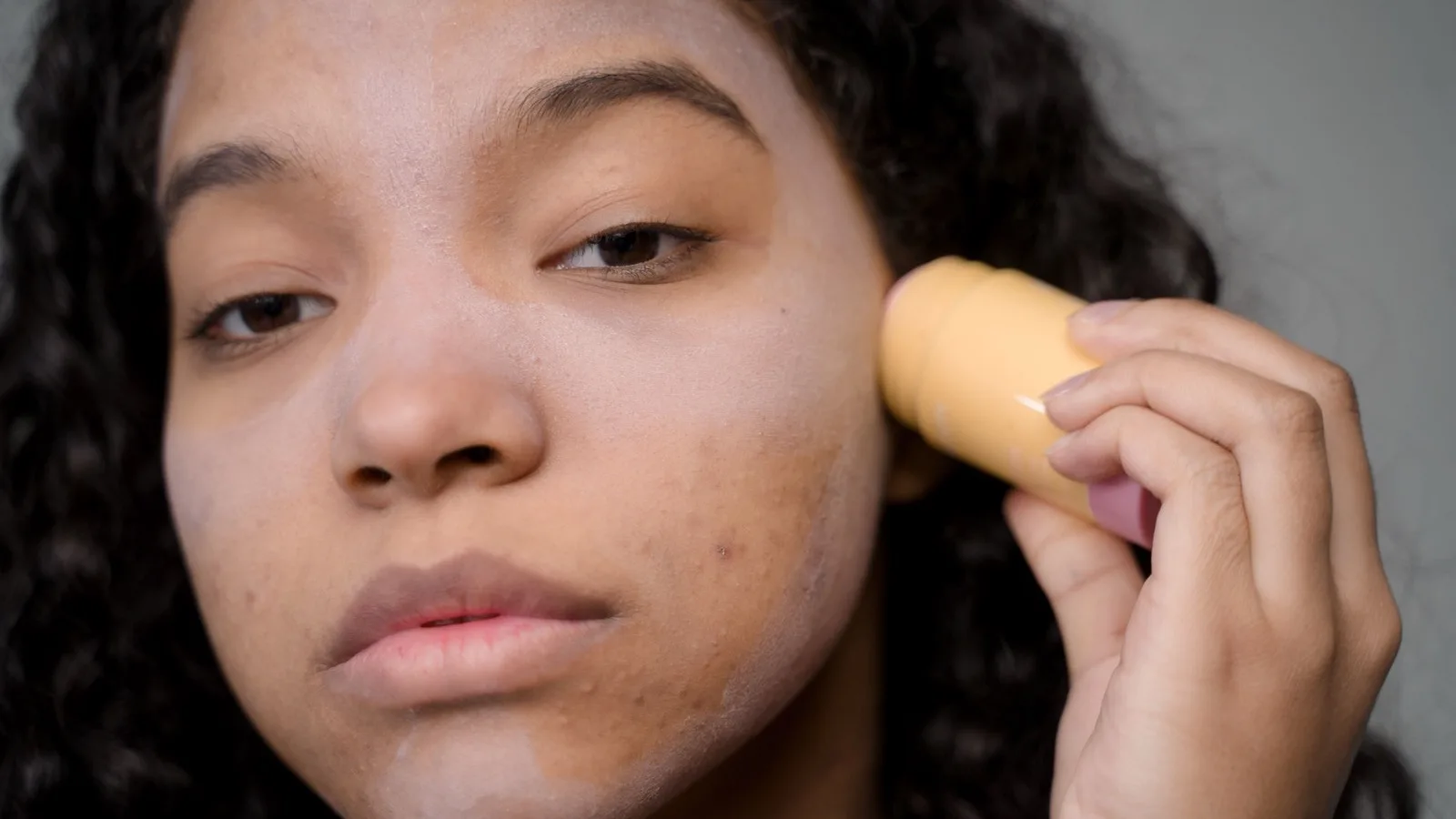
Quick Answer
Use daily sun protection, reduce irritation, and choose one targeted ingredient—such as vitamin C, niacinamide, azelaic acid, a retinoid, or an exfoliating acid—based on the likely cause of the mark. Seek professional advice for changing, painful, bleeding, or unusual lesions.
When a dark mark appears, it is natural to look for the fastest brightening product.
A better first step is to understand what you are seeing, what may have triggered it, and how to prevent it from becoming more noticeable while you choose a routine.
Key Takeaways
- Daily sun protection is foundational because new exposure can deepen existing discoloration.
- Dark spots can follow acne, picking, irritation, inflammation, or sun exposure.
- Choose one targeted ingredient at a time and give it a clear job before changing direction.
- Changing, painful, bleeding, or unusual marks need professional assessment.
Choose This Guide If...
- You want to understand what a dark mark may represent
- You need a safer starting point than product stacking
- You want to know when skincare is not enough
The short answer: protect first, then choose one clear approach
Dark spots can follow inflammation, acne, irritation, or sun exposure, and different causes may need different decisions. Daily sun protection is foundational. After that, use a gentle routine and add one targeted product at a time rather than combining every brightening ingredient.
What dark spots and hyperpigmentation mean
Hyperpigmentation is a broad term for areas of skin that appear darker because of increased pigment. “Dark spots” is a common everyday description, not a diagnosis. A mark that is new, changing, bleeding, painful, or difficult to identify should be assessed professionally.

Common reasons marks become noticeable
Sun exposure can deepen existing discoloration. Acne, irritation, picking, and other inflammation can leave temporary or persistent marks after the original problem settles. The most helpful question is often not only how to fade a mark, but what keeps triggering new ones.
Build a low-irritation foundation
Cleanse gently, moisturize as needed, and use broad-spectrum sunscreen during the day. Irritation can make discoloration look worse and can make a treatment routine harder to maintain. If a product repeatedly stings, stop and simplify instead of adding another corrective layer.
Ingredients and treatment choices
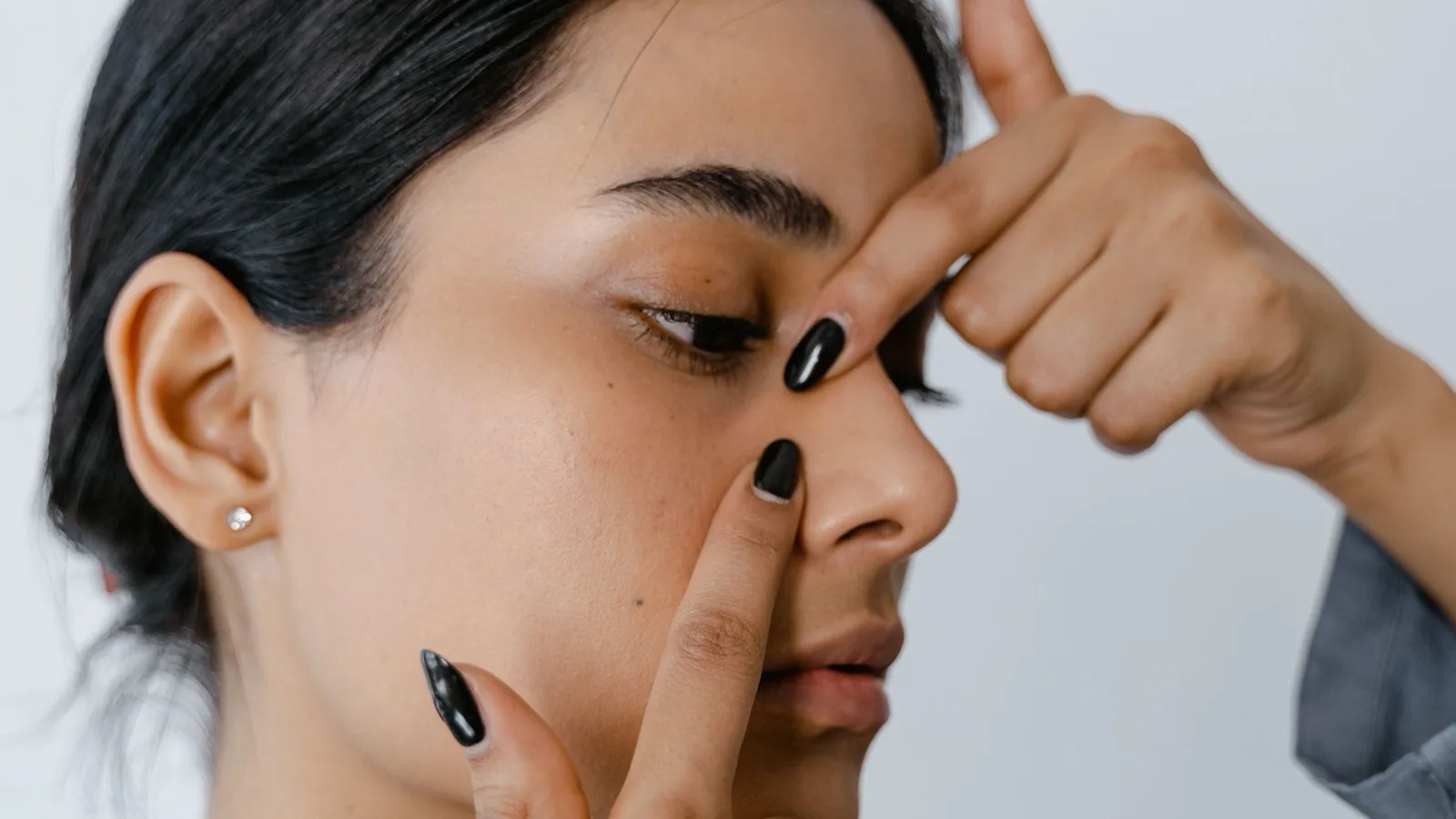
Brightening routines may include vitamin C, niacinamide, azelaic acid, retinoids, or exfoliating acids. These ingredients are not interchangeable, and more is not always better. Choose one based on your main concern, introduce it slowly, and allow enough time to evaluate before changing direction.

What to avoid misunderstanding
No routine can promise that every dark mark will disappear on a fixed schedule. Avoid aggressive scrubbing, unverified bleaching claims, and product stacking that leaves skin inflamed. Consistency and prevention are usually more useful than chasing a dramatic short-term change.
When to seek professional advice
Seek professional guidance for a mark that changes quickly, has an unusual border or color, bleeds, hurts, or does not fit the pattern you expected. Skincare advice can help with routine decisions, but it should not substitute for evaluation of a concerning lesion.
Where to go next
If you are comparing products, read Best Products for Dark Spots. For broader product roles, see Skincare Product Categories Explained.