Guide
Brightening Ingredients Explained
Compare brightening ingredients by purpose, strength, tolerability, and fit with a routine that already includes sun protection.
Quick Answer
Vitamin C, niacinamide, azelaic acid, retinoids, and exfoliating acids are not interchangeable. Choose one for a clear purpose, follow its directions, and introduce it slowly without stacking several actives.
Brightening ingredients are often grouped together as if they all do the same job.
They do not. The useful way to compare them is to ask what concern you want to address, how reactive your skin is, and how the ingredient fits into a routine that includes sun protection.
Key Takeaways
- Vitamin C, niacinamide, azelaic acid, retinoids, and exfoliating acids have different roles and tolerability.
- Choose one ingredient for one clear purpose and compare the full formula, strength, and directions.
- A stronger routine is not automatically a better routine; persistent dryness, burning, or inflammation is a reason to simplify.
- Daily sunscreen remains essential when the goal involves uneven tone.
Choose This Guide If...
- You want to understand the main brightening ingredients
- You are comparing serums and treatment products
- You want to avoid stacking too many actives
The short answer: choose by purpose, not popularity
Vitamin C, niacinamide, azelaic acid, retinoids, and exfoliating acids can all appear in routines for uneven tone. They differ in role, strength, and tolerability. Start with one ingredient for one clear purpose instead of stacking several brightening products.
Vitamin C
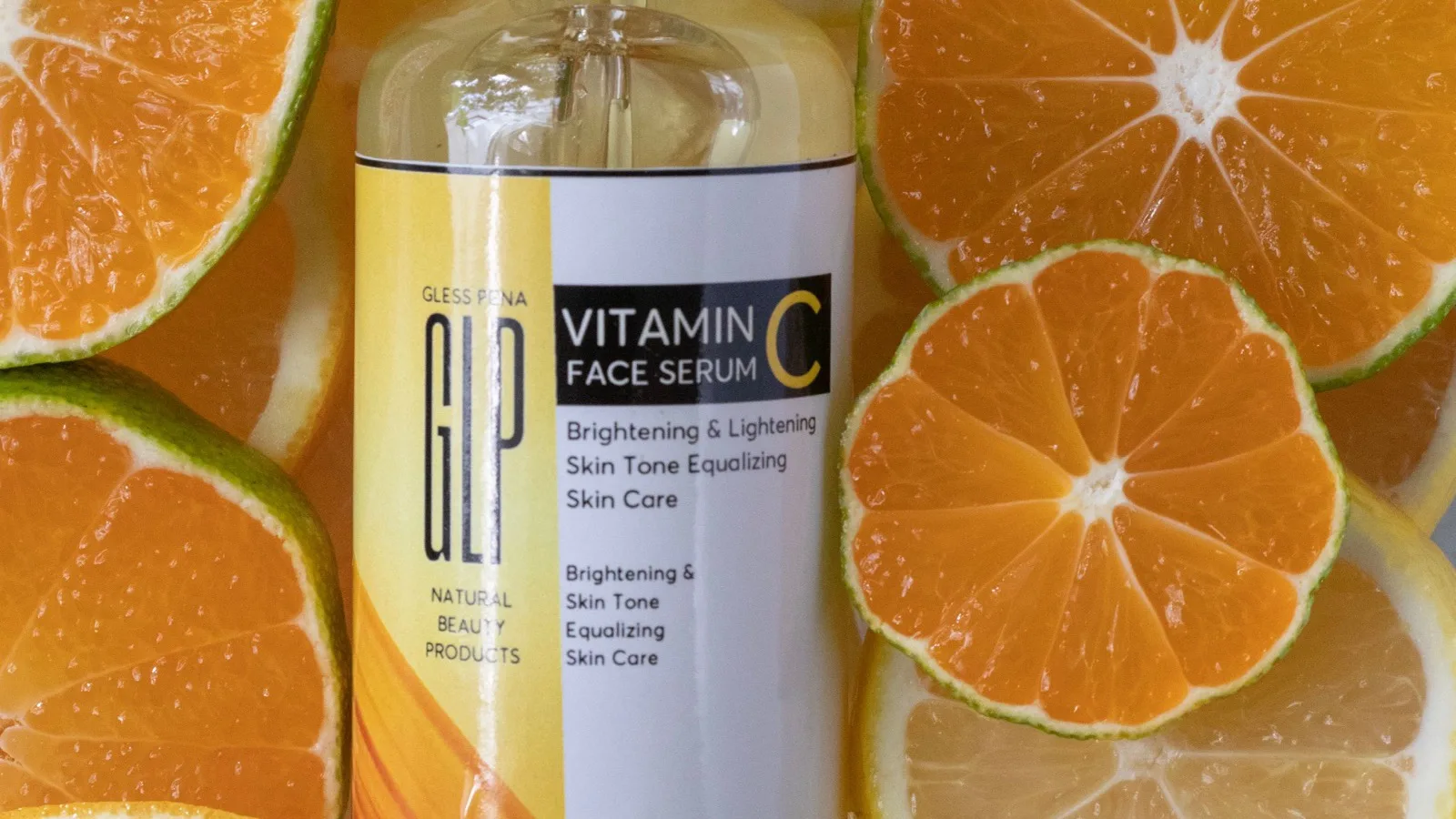
Vitamin C is commonly used in morning routines aimed at antioxidant support and a more even-looking tone. Formulas vary in stability and strength. If a product stings or makes the rest of the routine uncomfortable, a lower frequency or simpler formula may be more useful.
Niacinamide
Niacinamide is a versatile ingredient found in many lightweight serums and moisturizers. It may suit people who want a less complicated addition, but more is not automatically better. Consider the complete formula and how it fits with other products.
Azelaic acid
Azelaic acid appears in routines concerned with uneven tone and blemish-prone or reactive skin. It can still irritate some people, so introduce it cautiously and avoid assuming that a familiar ingredient is universally gentle.
Retinoids and exfoliating acids
Retinoids and acids may be used for texture, tone, or other visible concerns, but they need careful pacing. Avoid adding several at once. If skin becomes persistently dry, burning, or inflamed, simplify rather than adding another soothing layer.
How to compare an ingredient
Look at its intended job, product strength, directions, texture, and the rest of your routine. A serum that you can use consistently may be more useful than a stronger product you stop after a week. Daily sunscreen remains essential when the goal involves uneven tone.
Common ingredient mistakes
Common mistakes include treating tingling as proof of effectiveness, layering multiple actives, and changing products before there is time to evaluate them. Brightening should not require a routine that leaves skin uncomfortable.
When to seek professional advice
Skincare ingredients are not a substitute for assessment of a changing, painful, bleeding, or unusual mark. Seek professional advice when a concern does not fit the pattern you expected or when irritation persists.
Where to go next
For product-format choices, read Best Serums for Hyperpigmentation. For the broader distinction between everyday dark spots and hyperpigmentation, see Dark Spots vs Hyperpigmentation.