Guide
Ingredients to Look for If You Have Dry Skin
Dry skin often benefits from complementary ingredient groups: humectants to hold water, emollients to soften, and occlusives or barrier-supporting ingredients to reduce moisture loss and improve comfort.
Quick Answer
Look for a formula that combines water-binding, softening, and protective support when your skin is dry. Judge the whole product by texture, tolerance, routine fit, and how long comfort lasts.
When your skin feels dry, product labels can make the search harder. One bottle promises hydration, another promises barrier repair, and a third highlights a single ingredient as if it can solve everything.
A better approach is to understand what different ingredient groups are meant to do, then choose based on comfort, texture, tolerance, and routine fit.
Key Takeaways
- Dry skin often benefits from a combination of water-binding, softening, and protective support.
- Humectants, emollients, and occlusives perform different jobs and work best as part of a complete formula.
- Ceramides and other lipid-like ingredients may support a more comfortable skin barrier.
- A longer ingredient list or a single fashionable ingredient does not guarantee a better product.
- Persistent burning, itching, swelling, or worsening redness needs professional advice.
Choose This Approach If...
- Ingredient labels feel confusing or overly focused on one claim
- You want to match product ingredients to a specific dry-skin need
- You are comparing formulas before adding another product
The short answer: look for complementary support
Dry-feeling skin often benefits from a combination of water-binding ingredients, softening ingredients, and ingredients that help reduce moisture loss. The exact balance depends on how your skin feels and how much protection you need.
No ingredient guarantees that a product will suit you. Formula design, concentration, fragrance, texture, and your own tolerance all matter.
Humectants help hold water
Humectants attract and hold water in the outer layer of skin. Glycerin and hyaluronic acid are common examples, but they are not the only options.
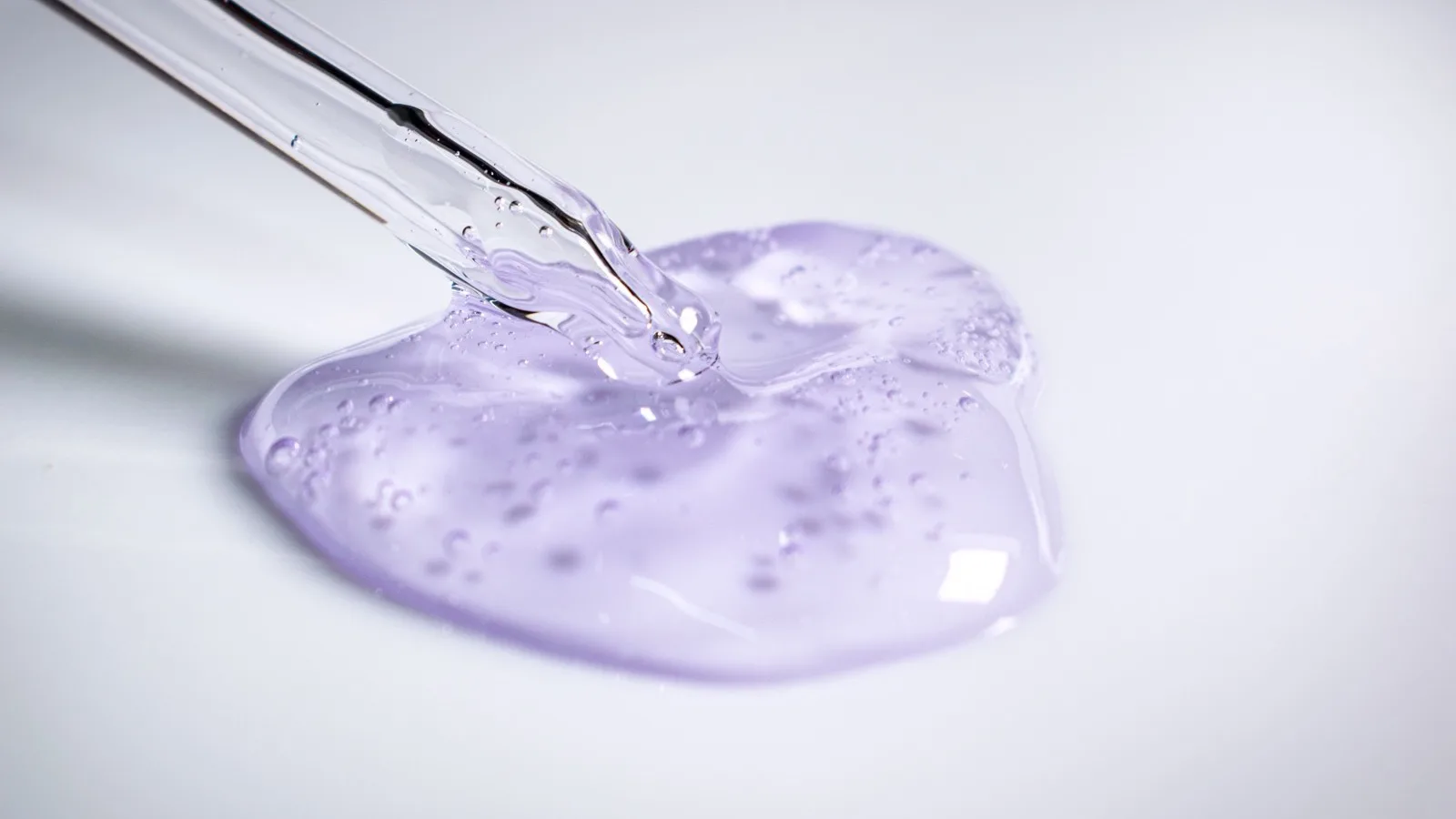
Humectants may be useful when your skin feels dehydrated, tight, or less comfortable than usual. They tend to work best as part of a complete formula rather than as a reason to ignore the moisturizer or protective layer that follows.
If a lightweight hydrating product feels good for a few minutes but your skin becomes tight again soon afterward, the rest of the routine may need more softening or protective support.
Emollients help soften roughness
Emollients help fill and smooth the spaces between surface skin cells. They can make rough, flaky, or uneven-feeling skin feel more comfortable.
You may notice emollient support in the feel of a lotion, cream, or balm. The right texture is personal. A richer formula can be helpful when skin feels persistently rough, while a lighter formula may be easier to use during the day.
Occlusive ingredients help reduce moisture loss
Occlusive ingredients create a more protective layer over the skin. Petrolatum is a familiar example, and many formulas use combinations of waxes, oils, silicones, or other protective materials.
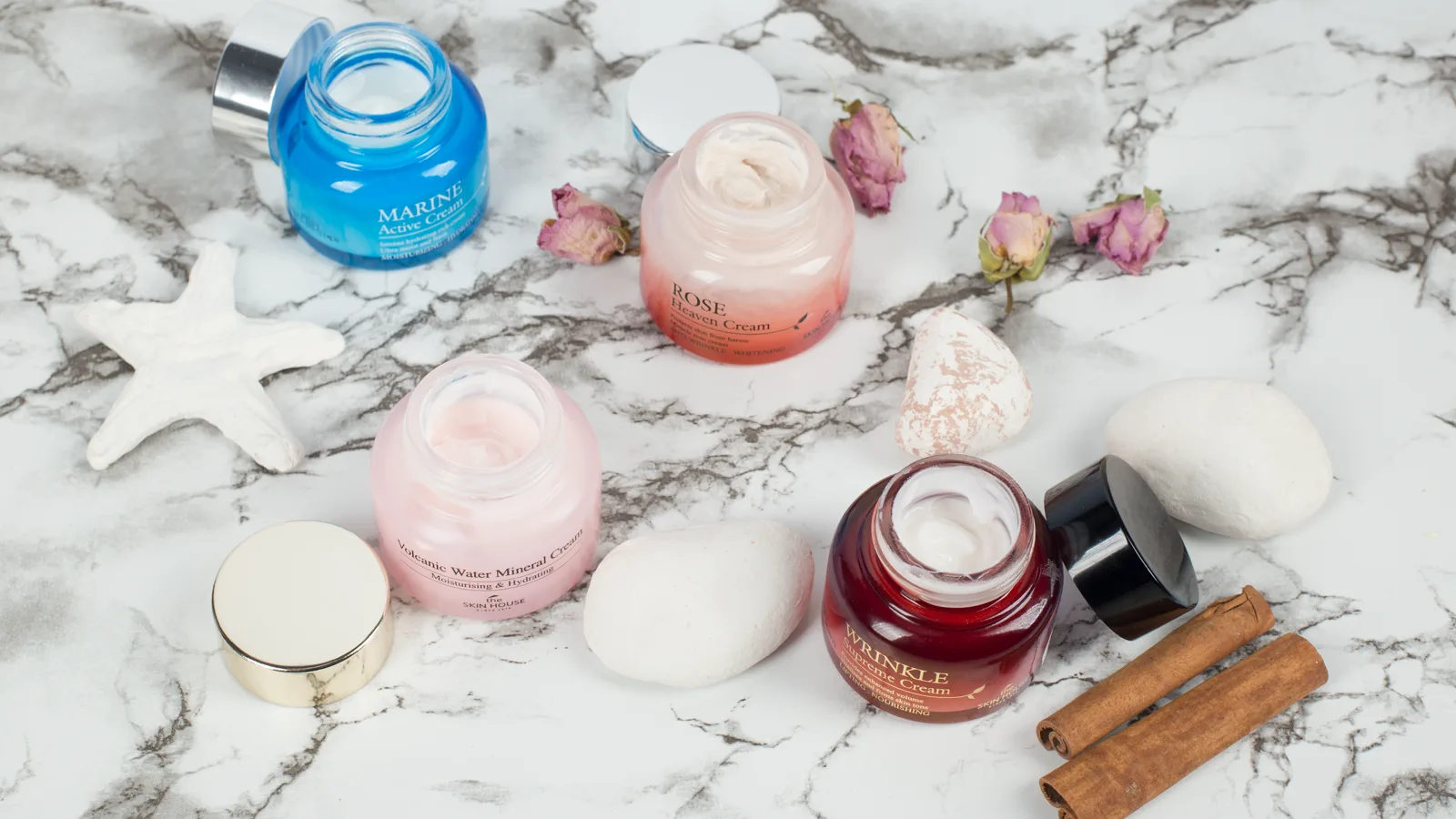
These ingredients can be especially useful when the air is dry, when the skin feels tight after cleansing, or on small rough areas. They can also feel heavy, so selective use may be more practical than applying the richest product everywhere.
Barrier-supporting ingredients can improve comfort
Ceramides and other lipid-like ingredients are often included in products designed to support the skin barrier. A barrier-supporting formula may be useful when your skin feels rough, easily irritated, or uncomfortable after ordinary washing.
The phrase “barrier repair” is not a promise that one product will fix every problem. Use it as a clue to investigate the formula, then judge the product by how your skin responds over time.
Ingredient groups are more useful than single-ingredient shopping
Instead of asking whether one ingredient is the best, ask what job the formula needs to perform:
- For tightness: look for hydration plus softening and protective support.
- For rough texture: consider emollient-rich products and reduce unnecessary scrubbing.
- For dry weather: a more protective cream or balm may be useful on exposed areas.
- For easily irritated skin: prioritize a simple, fragrance-free formula and introduce one product at a time.
This approach helps you compare products without assuming that a longer ingredient list is better.
How to read a product label without getting lost
Start with the product’s intended use and texture. Then look for the ingredient groups that match your situation. Check whether fragrance or other known irritants are included if your skin is reactive, and consider where the product fits in your routine.
Marketing language can be useful for finding candidates, but it is not evidence that the product will suit you. “Natural,” “clean,” and “dermatologist tested” do not tell you enough on their own.
The American Academy of Dermatology recommends applying moisturizer after washing while the skin is still damp. Review the AAD’s guidance on choosing a moisturizer.
Ingredients and textures by routine moment
Morning
Choose a texture that works under sunscreen and leaves your skin comfortable through the day. A lotion or lighter cream may be easier to layer, but a richer product can make sense when the air is very dry.
Night
You may prefer more softening or protective support at night, when pilling under makeup or sunscreen is not a concern. That does not mean you need a thick layer every night.
Small rough areas
A balm or more occlusive product may be best used selectively on the lips, around the nose, or on other areas that need extra protection.
Common mistakes
Treating a single ingredient as a solution
An ingredient can be useful without being sufficient. A well-balanced formula and a gentle routine usually matter more than a single headline ingredient.
Adding multiple new products together
Change one meaningful product at a time. If your skin improves or reacts, you will have a clearer explanation for what happened.
Ignoring the rest of the routine
Hot water, long cleansing, aggressive exfoliation, and frequent product changes can all contribute to dryness. Ingredient shopping should support a sensible routine, not compensate for repeated irritation.
A simple way to apply what you have learned
Start with a cleanser and moisturizer that leave your skin comfortable. Add one product that contains the type of support your skin appears to need. Use it consistently long enough to evaluate, and remove it if you develop persistent burning, itching, swelling, or worsening redness.
If your symptoms are painful, severe, or persistent, seek professional advice. Ingredient education can help you make better shopping decisions, but it is not a diagnosis.
Where to go next
The Dry Skin Guide: Causes, Routine, and Product Choices explains the wider routine context. For a broader overview of product roles, read Skincare Product Categories Explained.
The best ingredient list is not the longest one. It is the list that supports your current skin need, fits the product’s texture and purpose, and helps you build a routine you can use consistently.