Guide
Korean Skincare Guide: Products, Routine Steps, and What to Buy First
Korean skincare is less about copying a strict ten-step routine and more about choosing purposeful products for hydration, barrier support, prevention, and consistent habits.
Quick Answer
Korean skincare is not about forcing yourself into ten steps. Start with a gentle cleanser, moisturizer, and daytime sunscreen, then add toner, essence, serum, or ampoule only when it serves a specific need.
Korean skincare gets framed as a long list of steps, which makes it sound more complicated and expensive than it really needs to be.
This guide helps readers understand the philosophy behind Korean skincare, the role of its most common product categories, and how to decide which steps belong in a real routine.
Key Takeaways
- Korean skincare is a flexible approach built around purposeful products, not a routine that must contain ten steps.
- A practical starting routine is a gentle cleanser, moisturizer, and daytime sunscreen.
- Toners, essences, serums, and ampoules are optional categories that should be added only when they serve a specific need.
- Hydration, barrier support, prevention, and consistent habits are more important than copying another person’s product lineup.
- The right routine depends on your skin, budget, and available time, so a four-step routine can be more suitable than a ten-step routine.
Choose This Approach If...
- You are curious about Korean skincare but do not want to copy a ten-step routine blindly
- You want to understand toner, essence, ampoule, and similar product categories in plain language
- You want a simpler way to decide what to buy first
The Ten-Step Routine Isn’t the Goal
This is probably the biggest misunderstanding surrounding Korean skincare. People see a famous ten-step routine and assume that’s the standard everyone follows. It isn’t.
The ten-step routine is better thought of as a menu than a checklist. The products exist because different people have different needs. Some routines include four steps. Others include six. Someone else might use eight. The important idea isn’t reaching a certain number. It’s building a routine where every product has a job.
The Cleveland Clinic’s overview of Korean skincare describes the familiar categories and layering logic, but the article should not turn that logic into a requirement. A routine is successful when it is tolerable, understandable, and easy enough to repeat.
Korean Skincare Starts With Prevention
Another difference people often notice is the overall philosophy. Many skincare routines focus on fixing problems after they appear. Korean skincare places a lot of emphasis on helping skin stay healthy in the first place. That usually means paying attention to hydration, supporting the skin barrier and building habits that are easy to maintain over time.
It’s a slower way of thinking about skincare, but it’s also a more sustainable one.
Prevention does not mean buying every product marketed as gentle or repairing. It means reducing avoidable irritation, protecting the skin from the sun, and adding targeted products only when they have a clear purpose. The American Academy of Dermatology’s basic skin-care guidance is a useful baseline for keeping the routine grounded in ordinary skin-care needs rather than trend language.
Understanding the Main Product Categories
One reason Korean skincare feels overwhelming is that it introduces product categories many people haven’t seen before. The names sound unfamiliar, but the ideas are often simpler than they appear.
Cleansers
Most routines begin with cleansing. The goal is to remove sunscreen, makeup, excess oil and the buildup from the day without leaving your skin feeling stripped.
Some routines use two cleansers, while others only use one. Both approaches can make sense depending on your routine.
Double cleansing is most relevant when the first cleanser has a clear job, such as removing makeup or a water-resistant sunscreen. It is not automatically better than one gentle cleanse, particularly if repeated washing leaves your skin tight or irritated.
Toners
Many people assume toner is a required step. But it’s not. In Korean skincare, toners are often used to add hydration and prepare the skin for the products that follow. Whether you need one depends on your skin and your routine.
Essences
Essence is the category that usually causes the most confusion. People often ask whether it’s just another serum.
Not exactly.
Essences are generally lightweight products that fit between toner and serum. They add another layer of hydration and support without replacing either category. You don’t need an essence simply because you’re building a Korean-inspired routine.
Serums and Ampoules
These products are usually more focused on specific concerns.
Hydration.
Uneven-looking skin tone.
Fine lines.
Texture.
Ampoules are often described as more concentrated, but the important point isn’t choosing between the names. It’s understanding that both categories are designed to target particular goals rather than support your skin in general.
Choose one targeted product before choosing several. A serum or ampoule should have a specific reason for being in the routine—hydration, uneven-looking tone, texture, or another defined concern. If the purpose is unclear, the category name alone is not a good reason to buy it.
Moisturizers
Moisturizers help keep everything you’ve applied working together. Their job isn’t just adding moisture. They help reduce moisture loss and support the skin barrier throughout the day or overnight.
Sunscreen
If there’s one step that consistently appears in modern skincare routines, Korean or otherwise, it’s sunscreen during the daytime. No routine needs ten steps before sunscreen becomes worthwhile.
What Should You Buy First?
This is where many people make Korean skincare more expensive than it needs to be. They try to buy an entire routine in one order. A much better approach is to start with the basics.
Choose:
- a gentle cleanser
- a moisturizer
- sunscreen for daytime use
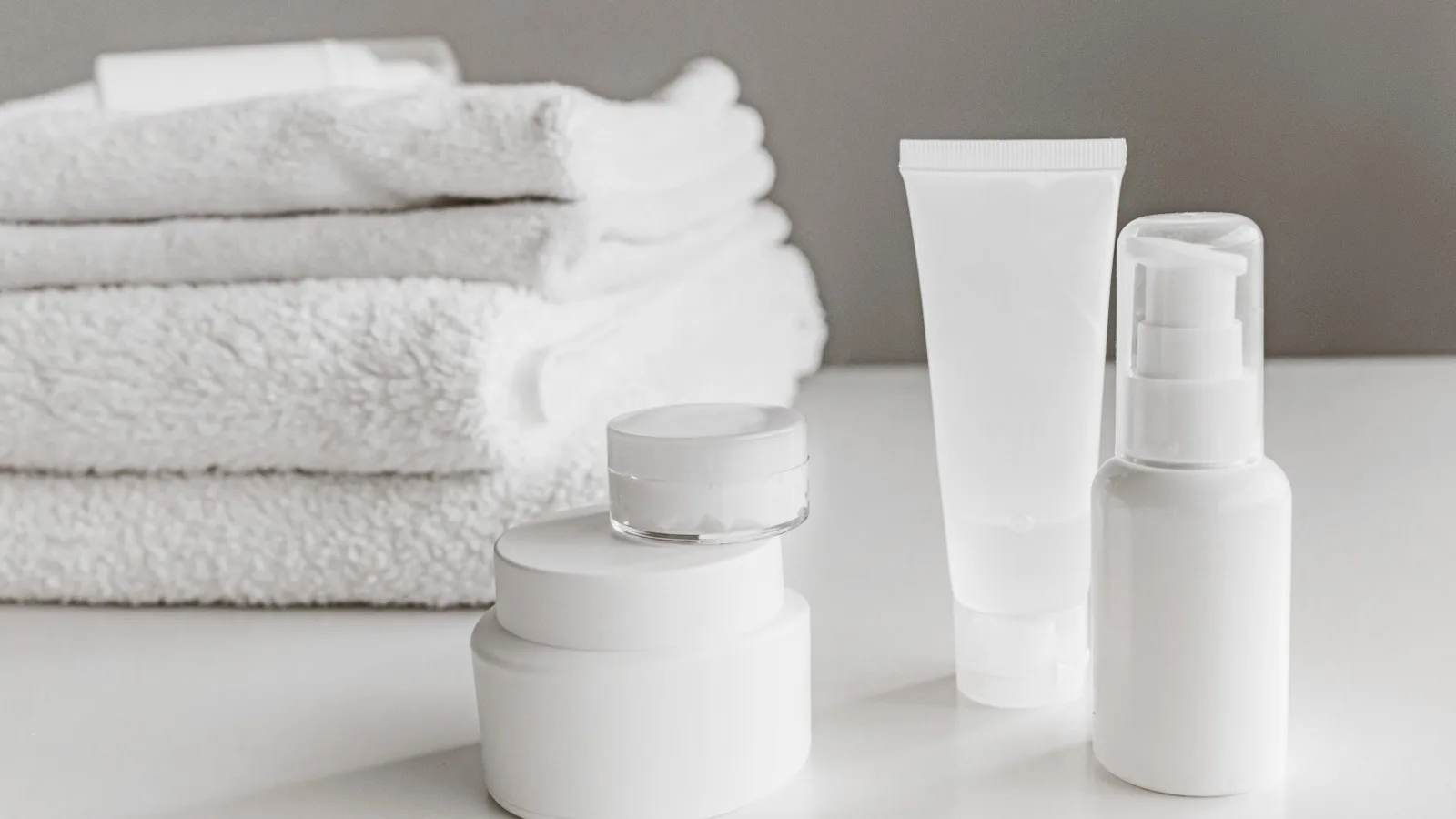
Then ask yourself whether there’s one specific concern you’d like to improve. Only after you’ve answered that question should you consider adding products like a serum, essence or another treatment. That’s much easier to manage, and it gives every product a clear reason for being there.
| Priority | Start with | Add only when there is a clear job |
|---|---|---|
| Daily basics | Gentle cleanser, moisturizer, daytime sunscreen | Nothing else is required automatically |
| Hydration | A moisturizer that feels comfortable | Toner, essence, or serum if the basic routine is not enough |
| One specific concern | One targeted serum or treatment | Additional actives only after the first change is understood |
Introduce one new product at a time. The American Academy of Dermatology recommends testing new skin-care products on a small area before wider use, which is especially useful when you are building a routine from several unfamiliar categories.
A Korean Routine Should Still Feel Like Your Routine
It’s easy to become fascinated by routines shared online.
Beautiful shelves.
Perfectly organized bottles.
Ten carefully layered products.
Those routines can be interesting to learn from, but they aren’t goals in themselves. The best Korean skincare routine is the one that fits your skin, your budget and the amount of time you’re realistically willing to spend every day. If that happens to be four steps instead of ten, that’s perfectly fine.
The products do not need to be Korean-branded to follow this approach. “Korean skincare” describes a routine tradition and product landscape, not a guarantee that a particular label, ingredient, or ten-step order is right for you. Read the product directions, consider your existing routine, and stop if a product causes a clear reaction.
Where to Go Next
Now that you understand the philosophy behind Korean skincare, the next step is deciding which products actually belong in your own routine.
You may also find these guides helpful:
- Skincare Guide: How to Build a Routine That Actually Fits Your Skin if you’re starting from scratch.
- Best Skincare Products by Skin Type and Concern if you’re comparing products based on your own goals.
- Skincare Routines and Segments: How to Choose a Path That Fits You if you’re deciding what style of routine suits you best.
- Best Korean Moisturizers if you’re specifically looking for a moisturizer to add to your routine.
Final Thoughts
People often remember Korean skincare for the number of steps. The people who stick with it usually remember something else. Every product has a reason for being there.
Once you understand that idea, Korean skincare becomes much less about following someone else’s routine and much more about building one that makes sense for your own skin.