Best of
Best Cleansers for Rosacea-Prone Skin
Choose a mild, non-abrasive cleanser for rosacea-prone skin by comfort, texture, tolerance, and washing method.
Quick Answer
Choose a mild, non-abrasive cleanser, use lukewarm water and your fingertips, and introduce it while keeping the rest of the routine stable.
The best cleanser for rosacea-prone skin is usually the one that removes daily buildup without leaving the face hot, tight, or stinging.
Key Takeaways
- Comfort matters more than a powerful cleansing sensation.
- Cream, lotion, gel, and low-foaming textures can each make sense for different skin needs.
- Use lukewarm water, fingertips, thorough rinsing, and gentle blotting rather than scrubbing.
- Introduce one cleanser at a time so repeated stinging or tightness is easier to understand.
Choose This Approach If...
- You are comparing cleansers for redness-prone skin
- You want a simpler washing routine
- You are trying to reduce tightness or stinging after cleansing
The short answer: choose comfort first
Start with a mild, non-abrasive cleanser that fits your skin type and that you can use consistently. Look for fragrance-free products made for sensitive skin, but remember that a label is only a starting clue. The final test is how your skin feels during washing, immediately afterward, and later that day.
The American Academy of Dermatology recommends a mild, rosacea-friendly cleanser, gentle fingertip application, thorough rinsing, and patting the face dry. The National Rosacea Society also emphasizes non-soap or very mild cleansing, lukewarm water, and avoiding abrasive materials.
What to look for in a cleanser
Choose the formula by the job
A cleanser has a short contact time. Its main job is to remove what needs to come off without making the next routine step harder. Consider:
- fragrance-free labeling rather than simply “unscented”;
- a non-abrasive texture with no scrub particles;
- a finish that does not leave repeated tightness;
- enough cleansing power for your sunscreen, makeup, and oil;
- non-comedogenic labeling if clogged pores are also a concern.
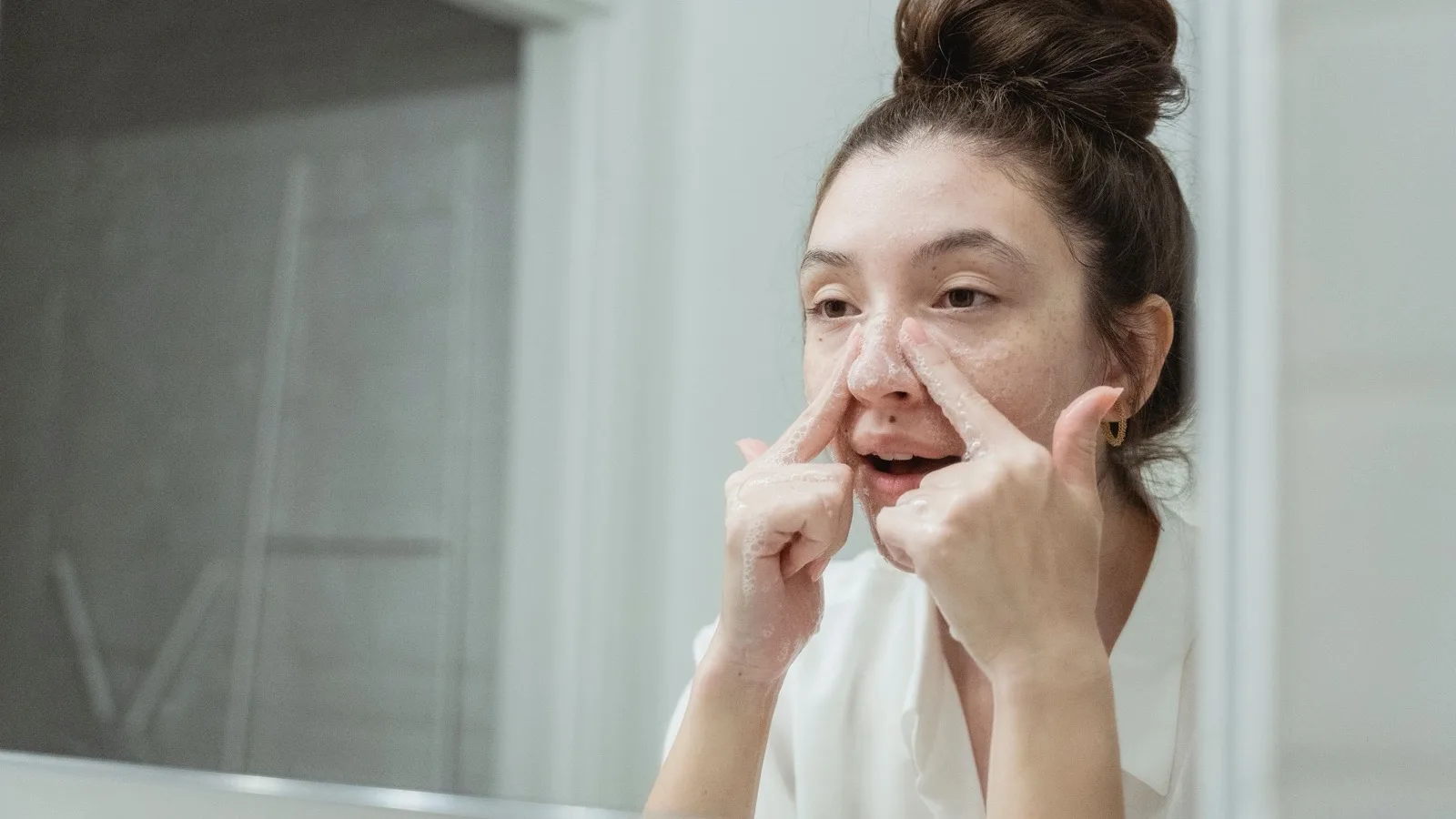
Foam is not automatically bad, and a cream cleanser is not automatically right. The important question is whether the formula and the way you use it leave your skin comfortable.
Avoid choosing by the strongest sensation
A squeaky-clean feeling can be mistaken for effectiveness. If your face feels tight after every wash, the cleanser may be doing more than you need, or you may be using too much pressure, too much product, or too much hot water. A cleanser that is comfortable enough to use consistently is often a better fit than one that feels powerful for a few minutes.
Choose the texture by your situation
| If your skin feels or behaves like this | A reasonable place to start | What to watch for |
|---|---|---|
| Dry, tight, or flaky | Cream or low-foaming non-soap cleanser | Residue, repeated tightness, or needing to scrub |
| Normal or combination | Gentle lotion or low-foam cleanser | Stinging, dryness, or incomplete removal of sunscreen |
| Oily or congested | Mild gel or cleanser that rinses cleanly | Over-cleansing, heat, or a tight finish |
| Sensitive to water itself | A soothing cream cleanser that can be removed gently | Rubbing while removing it or leaving product behind |
These are starting points, not rules. The National Rosacea Society notes that very dry skin may prefer a creamy, low-foaming non-soap cleanser, while very oily skin may need a mild cleanser used without scrubbing. Change the texture if it makes your routine uncomfortable rather than forcing your skin to adapt to a product.
How to cleanse without adding friction
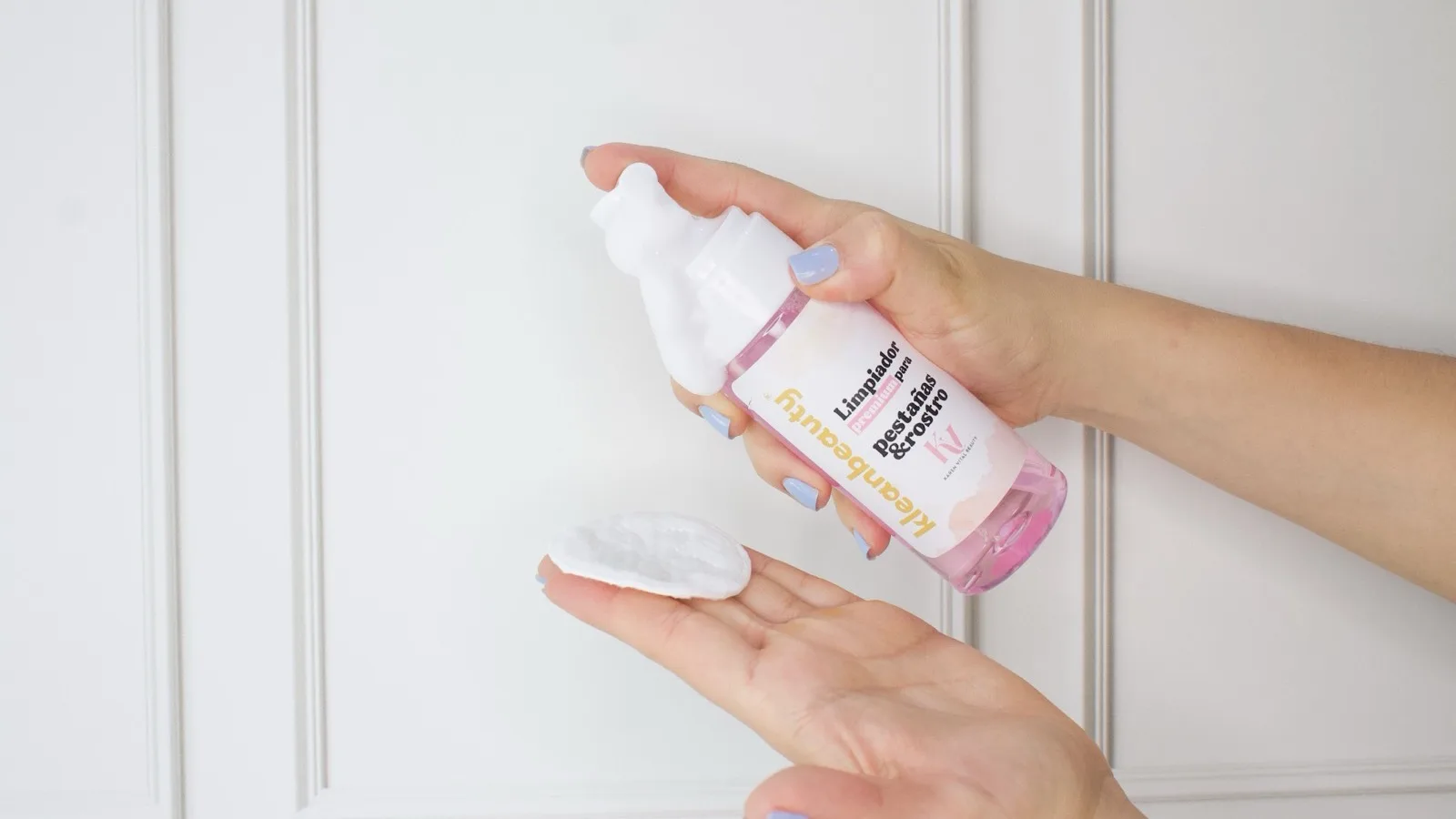
Use lukewarm water and clean fingertips. Apply the cleanser with light circular movements, rinse it away thoroughly, and gently blot dry with a soft towel. Do not use a facial brush, rough washcloth, sponge, or scrub to compensate for a cleanser that feels insufficient.
Temperature matters too. Hot water can increase flushing for some people, while very cold water may also be uncomfortable. If even water stings, the National Rosacea Society suggests that some people may find a soothing cream cleanser that can be removed without repeated rinsing more manageable.
Many people cleanse in the morning and evening, especially to remove oil, sunscreen, makeup, and environmental buildup. But frequency should fit your skin. If two full cleanses leave you tight or irritated, discuss the routine with a clinician and consider whether a gentler morning rinse or a different cleanser would be more comfortable.
How to test a cleanser
Introduce one new cleanser while keeping other products stable. Test a small amount on a peripheral area before using it on the face if that approach is appropriate for you. Then use a modest amount for a few routine applications and note the response.
Pay attention to three moments:
- Does it sting or feel hot during washing?
- Does your skin feel tight or uncomfortable after drying?
- Does irritation continue later or worsen with repeated use?
If the same product repeatedly causes burning, swelling, hives, or worsening redness, stop using it. Keep a note or photograph of the ingredient list so you can compare it with future products. Testing one product at a time is slower, but it produces better information than changing a cleanser, moisturizer, serum, and sunscreen together.
What to approach cautiously
The AAD identifies alcohol, camphor, fragrance, glycolic acid, lactic acid, menthol, sodium lauryl sulfate, and urea as ingredients that may irritate rosacea-prone skin. This is a useful screening list, not a universal blacklist. Your response depends on the full formula, concentration, contact time, and how often you use it.
Be particularly cautious with cleansers marketed as scrubs, peels, masks, or strong acne treatments if your skin is already reactive. A cleanser with an active ingredient may have a role for a specific concern, but adding one while your basic routine is unsettled can make the source of irritation difficult to identify.
What realistic results look like
A suitable cleanser should leave your face clean without making the rest of your routine harder. It may reduce the tight feeling that follows washing, but it cannot guarantee that flushing, bumps, or persistent redness will disappear.
If symptoms continue despite a simple routine, a cleanser may not be the main issue. Seek professional advice for persistent or worsening redness, painful bumps, swelling, or eye symptoms rather than continuing to add stronger cleansing products.
Where to go next
For the wider routine framework, read Rosacea Skincare Guide: Gentle Products and Routine Basics. If moisturizer is the next decision, see Best Moisturizers for Rosacea-Prone Skin. For an overview of product roles, read Skincare Product Categories Explained.