How-to
Redness-Friendly Skincare Routine
Build a redness-friendly routine around gentle cleansing, moisturizer, daytime sunscreen, slow product changes, and a clear baseline.

Quick Answer
Keep morning and evening routines simple, use lukewarm water and gentle handling, add broad-spectrum SPF 30 or higher during the day, and change one product at a time.
A redness-friendly skincare routine is usually simple, gentle, and easy to repeat.
The aim is to cleanse without stripping, moisturize for comfort, protect the skin from the sun, and introduce changes slowly.
Key Takeaways
- Start with the smallest routine that meets your needs.
- Gentle handling and comfortable products matter as much as ingredient claims.
- Use gentle cleansing or a rinse, moisturizer when useful, and broad-spectrum SPF 30 or higher as the foundation.
- Persistent, painful, or worsening redness deserves professional advice.
Choose This Approach If...
- Your routine feels too complicated or irritating
- You want a calmer morning and evening sequence
- You need a way to test changes without guessing
The short answer: simplify before adding
Begin with the smallest routine that meets your needs. In the morning, that may mean a gentle cleanse or rinse, moisturizer if useful, and sunscreen. At night, remove sunscreen or makeup, cleanse gently, and moisturize. Add a treatment only when it has a clear purpose.
The American Academy of Dermatology recommends gentle cleansing, moisturizer, and broad-spectrum SPF 30 or higher as part of rosacea skin care. These steps are a foundation, not a guarantee that redness will disappear.
Morning routine
If your skin feels comfortable, a lukewarm-water rinse may be enough in the morning. If you need cleanser, use a small amount with your fingertips and avoid rubbing. Apply moisturizer when it improves comfort, then finish with a sunscreen you can use consistently.
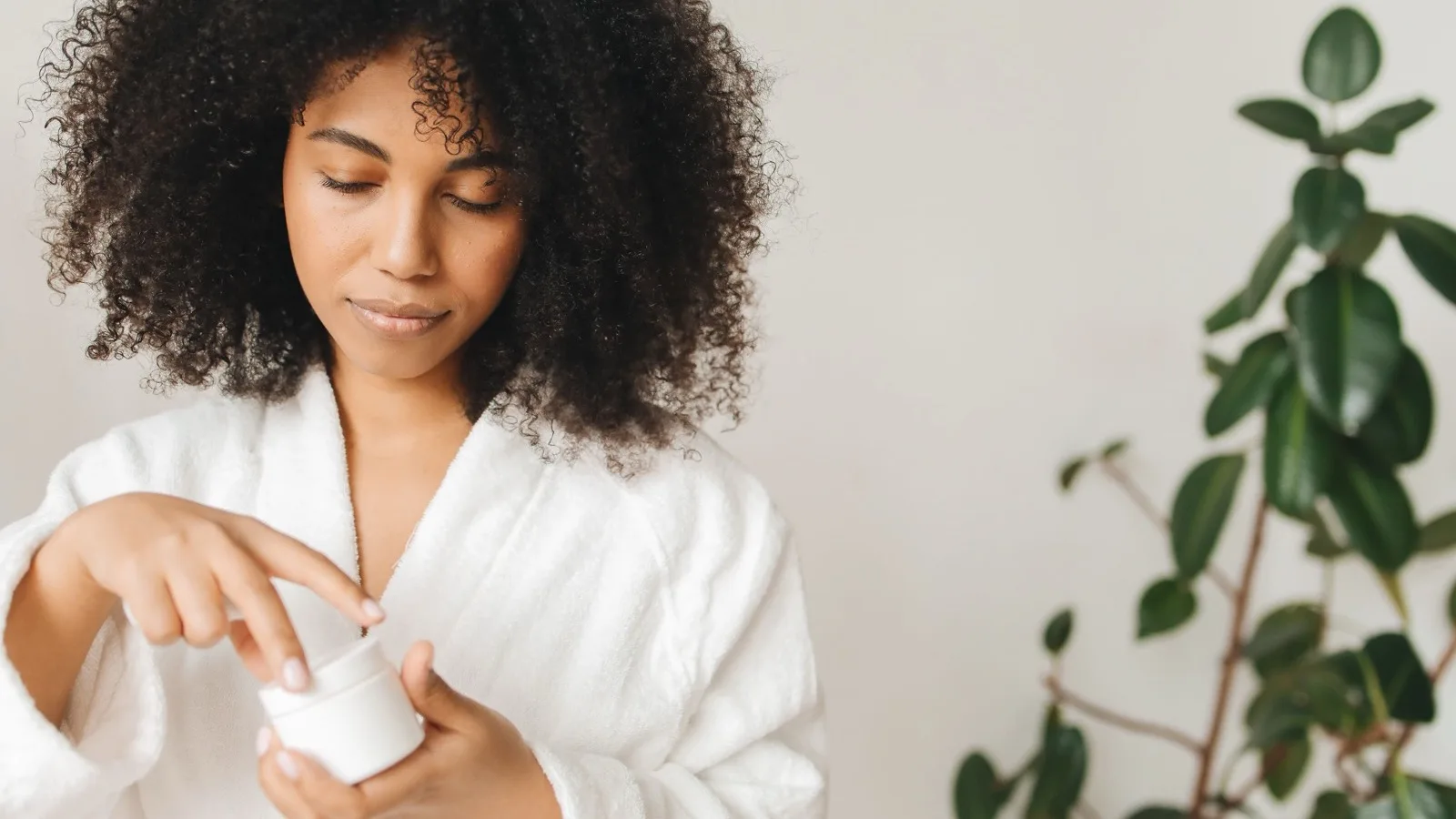
If sunscreen irritates your skin, the AAD suggests considering fragrance-free products and mineral filters such as zinc oxide or titanium dioxide. Introduce sunscreen separately from other new products so you can identify what causes a reaction. A sunscreen you can apply every day is more useful than a theoretically ideal product you avoid because of its texture.
Evening routine
Use the evening routine to remove sunscreen, makeup, and daily buildup without turning cleansing into a treatment. Keep the water lukewarm, massage briefly, rinse well, and pat dry. Follow with a simple moisturizer if your skin feels dry or tight.

The National Rosacea Society recommends mild, non-abrasive cleansing with the fingertips, lukewarm water, and gentle blotting. If water itself is uncomfortable, its guidance notes that some people may find a soothing cream cleanser that can be removed without repeated rinsing more manageable.
When your skin is unsettled, pause optional steps such as scrubs, masks, and several active products at once. A short routine can provide a clearer baseline than adding another product to solve every symptom.
Add treatments one at a time
If you need a treatment for a particular concern, introduce one product at a time and use it less often at first. Keep a note of when you started it and whether redness, warmth, itching, or burning changed.
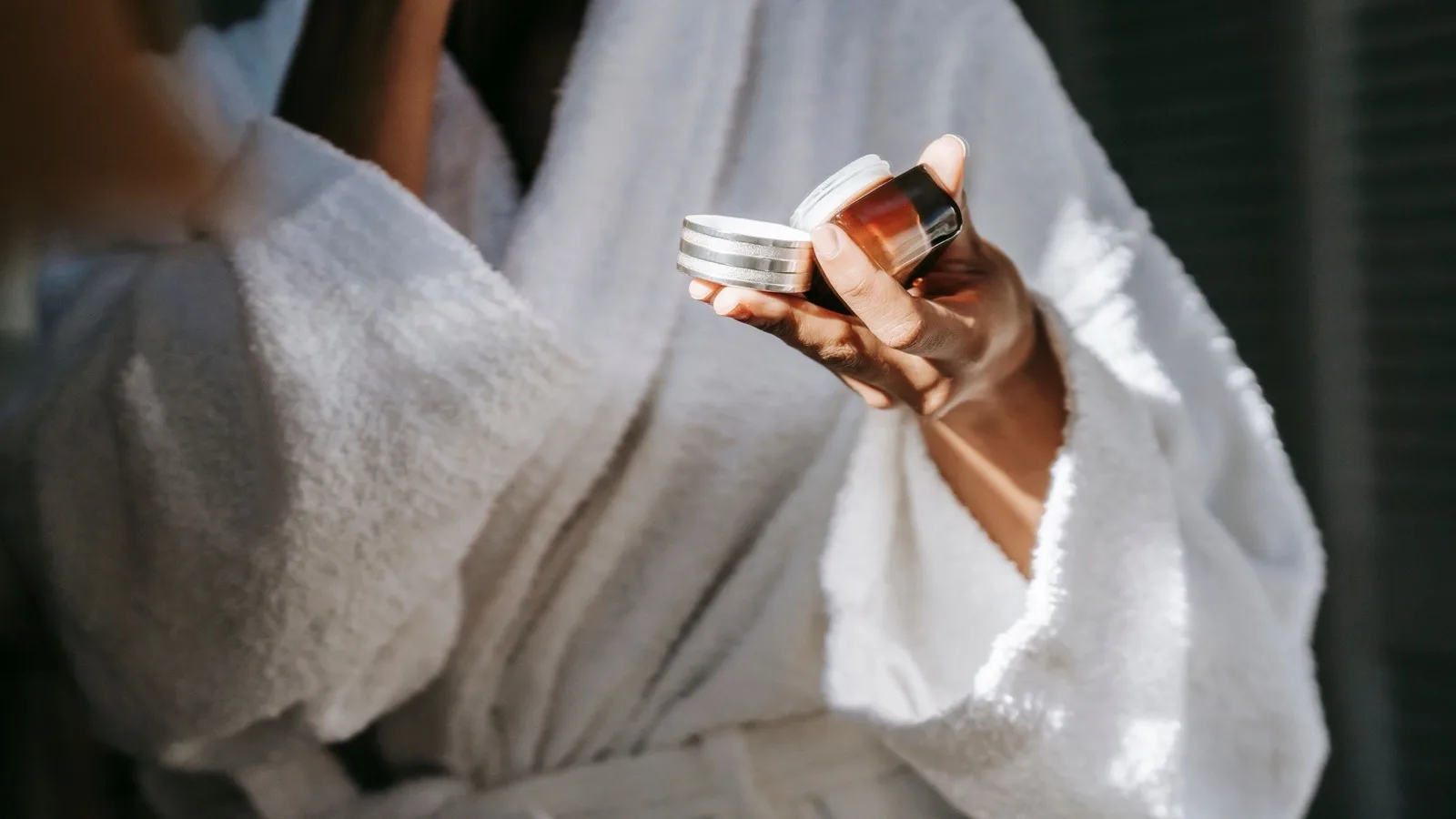
Before using a new product across your face, test a small amount on a peripheral area if that approach is appropriate for you. The National Rosacea Society recommends preliminary testing and keeping track of products and symptoms.
Do not assume that an immediate sting is a sign of effectiveness. Persistent discomfort is a reason to step back. Once your skin is stable, you can decide whether another change is worth testing.
Common mistakes that make redness worse
Washing too aggressively
Frequent washing, hot water, aggressive towel drying, and physical exfoliation can add friction. Gentle cleansing is meant to remove buildup without creating a new problem for the next step.
Changing too many variables
Adding a cleanser, serum, moisturizer, mask, and sunscreen in the same week makes a reaction difficult to interpret. Change one variable at a time and keep a simple note of what happened.
Copying someone else’s routine
A popular routine may still be a poor fit for your skin. Use other people’s routines as ideas, not as evidence that every step belongs in yours.
Treating discomfort as proof
Burning, persistent stinging, or increasing warmth is not a reliable sign that a product is working. Reduce frequency or stop when discomfort continues.
When professional advice matters
Skincare can support comfort, but it cannot diagnose the cause of persistent redness. Seek professional advice for worsening symptoms, painful or swollen skin, eye involvement, or redness that does not settle with a simpler routine.
If you use prescription medication, follow the instructions from your clinician or pharmacist. General routine advice should not override medication-specific directions about application order or frequency.
Where to go next
For the broader rosacea framework, read Rosacea Skincare Guide: Gentle Products and Routine Basics. For the cleansing step, see Best Cleansers for Rosacea-Prone Skin. For moisturizer selection, read Best Moisturizers for Rosacea-Prone Skin.