Understand changes
Learn how moisture, texture, and firmness can shift over time.
Aging skin can become drier, less resilient, or slower to recover from everyday stress. A consistent routine can support moisture, comfort, and the changes you want to focus on without making skincare feel complicated.
Learn how moisture, texture, and firmness can shift over time.
Build a steady routine around hydration and protection.
Focus on products and ingredients that fit your priorities.
Start here
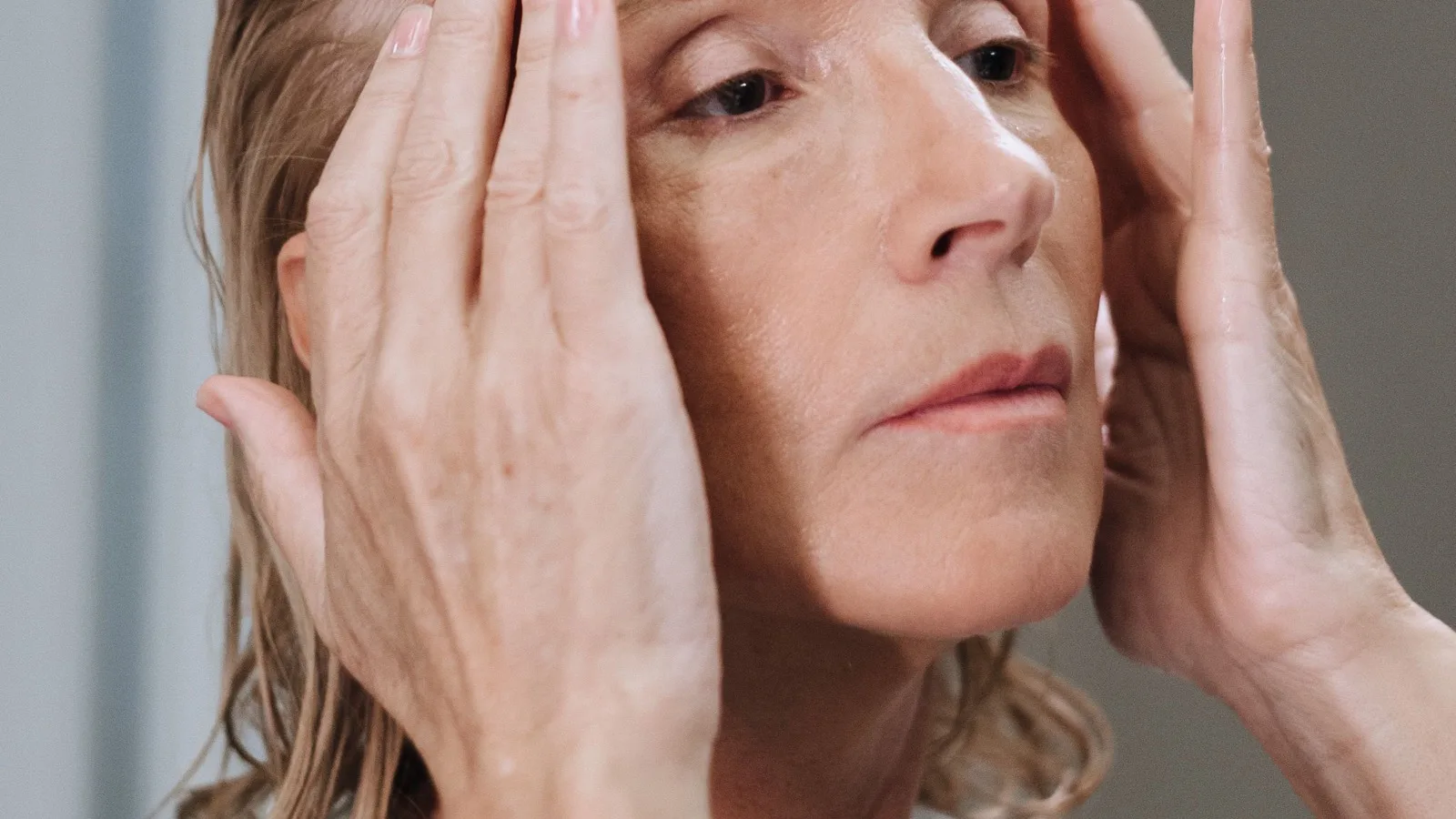
A practical guide to understanding common changes in aging skin and choosing a routine that supports comfort and consistency.
 Best of
Choose a moisturizer for aging skin by the problem you can describe, texture, tolerance, and fit with a routine that also includes sunscreen.
 Best of
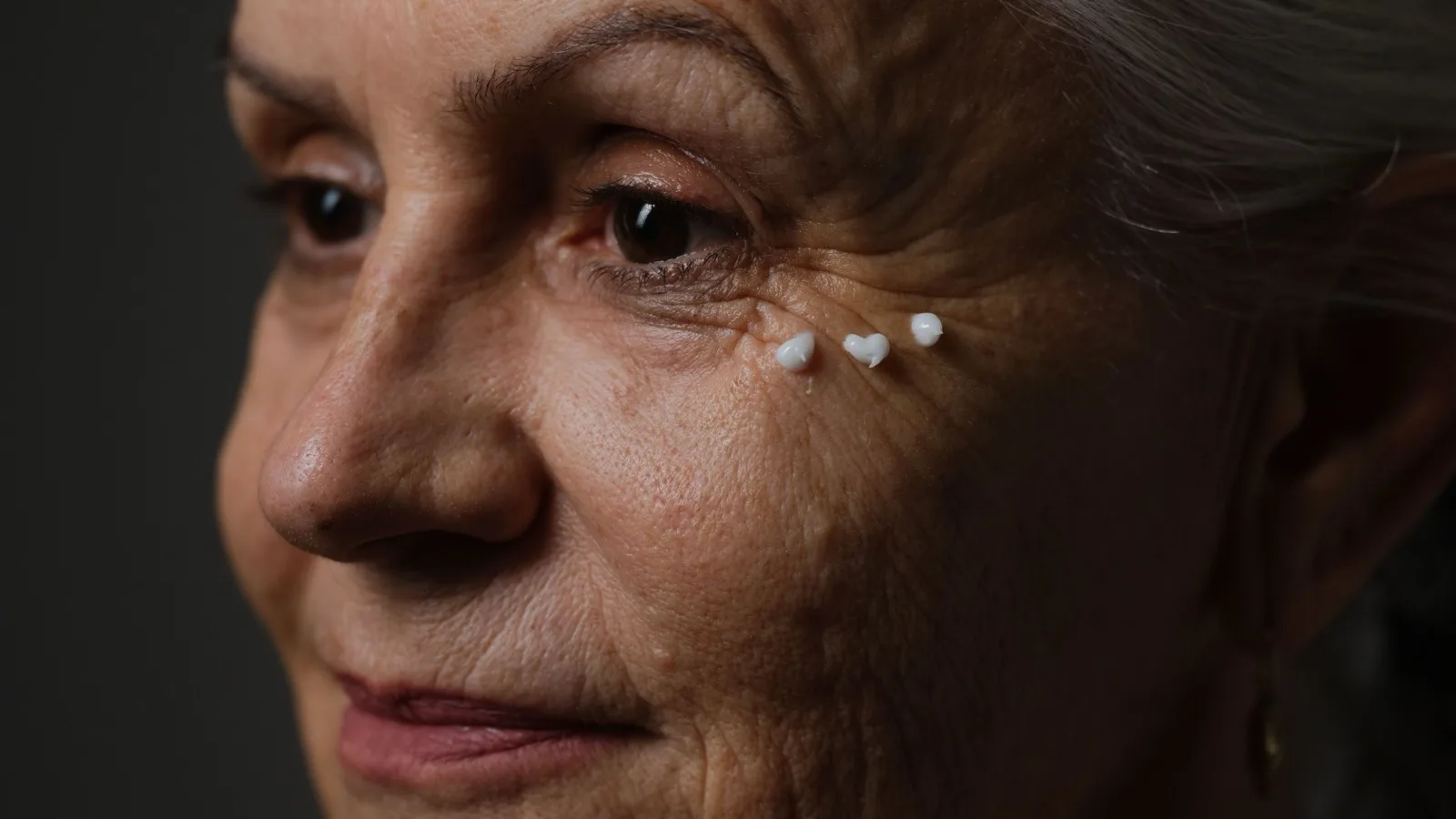
Choose a face cream for fine lines by skin need, texture, ingredient groups, routine fit, and realistic expectations.
 Best of
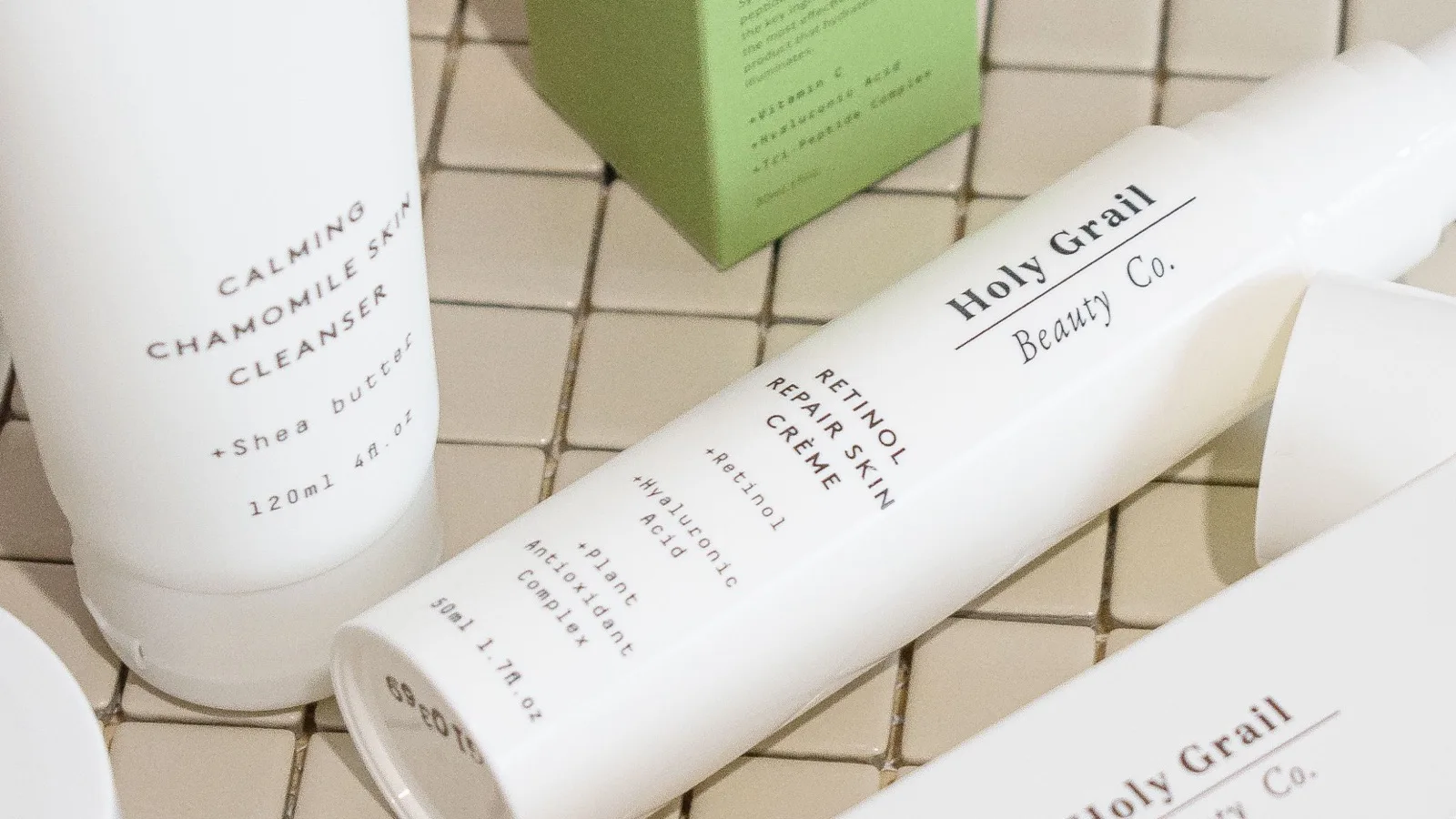
Retinol alternatives should be chosen by the reason you are avoiding retinol, your skin tolerance, and the concern you want to address—after daily SPF 30 or higher and moisturizer are in place.
 Best of
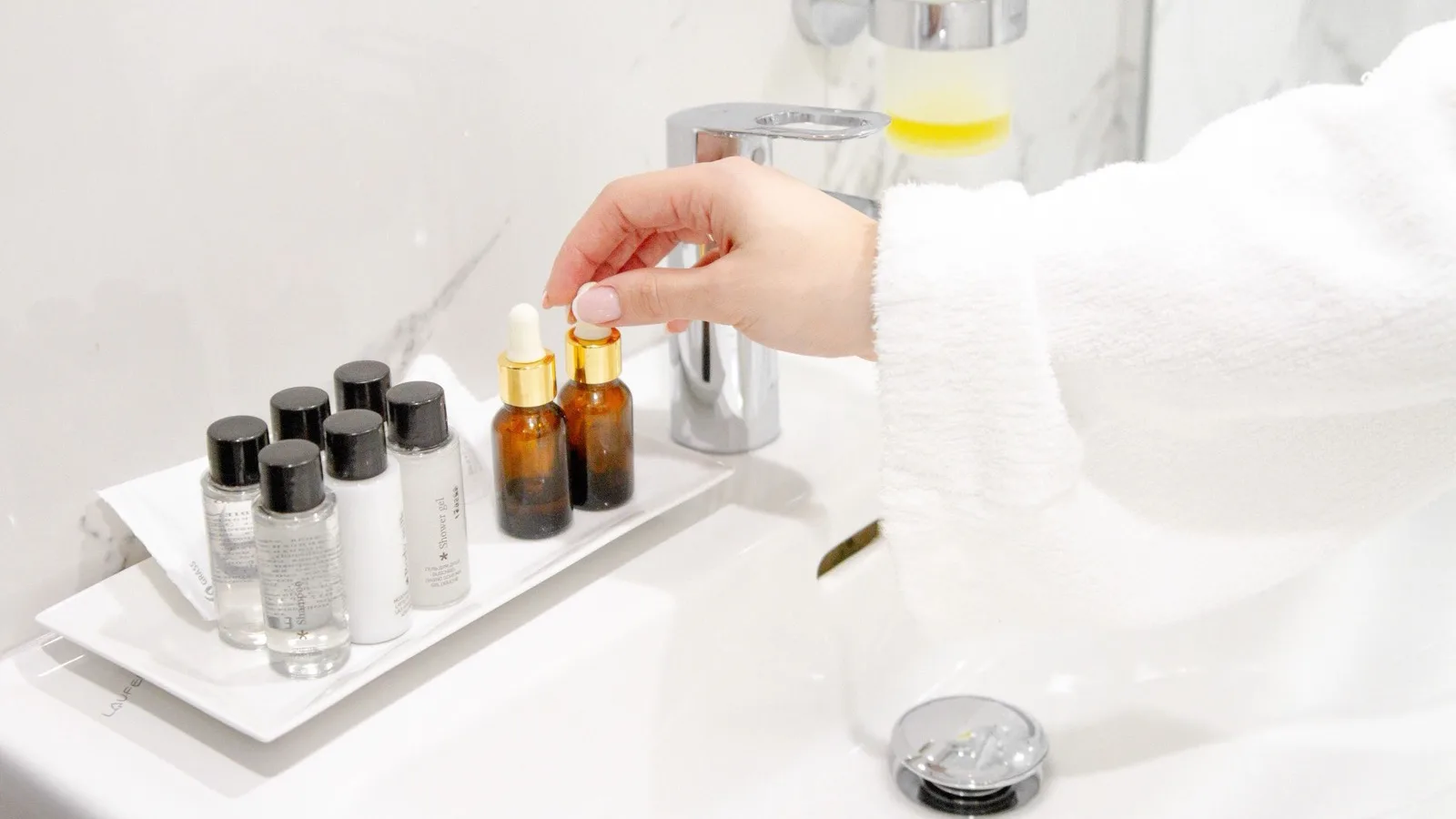
Choose skincare products by skin type, main concern, ingredients, texture, and the routine role they can realistically perform.
A simple morning routine for aging skin can center on gentle cleansing, comfortable moisture, and broad-spectrum SPF 30 or higher, with targeted steps kept optional.
A useful night routine for aging skin removes the day gently, uses one optional treatment carefully, and finishes with comfortable moisture; daytime SPF 30 or higher remains the prevention foundation.
Skincare routine order usually starts with cleansing, moves to optional lighter treatment products, then finishes with moisturizer and sunscreen during the day.
Build a skincare routine from cleanser, moisturizer, and sunscreen, then add targeted products only when they solve a clear need you can describe.
Your skin gives you useful information through repeated patterns, so describe what happened, what came before it, and whether it repeats before reaching for another product.
Choose skincare by separating skin type from the main concern you want to improve, then give each new product one clear job.
Skincare product categories make more sense when you treat them as tools with distinct jobs rather than as steps every routine must include.
Most people can start with cleansing when needed, moisturizing, and daytime sun protection, then add one targeted product only when it solves a clear problem.
Start with a few simple questions and build a routine around the changes that matter most to you.